
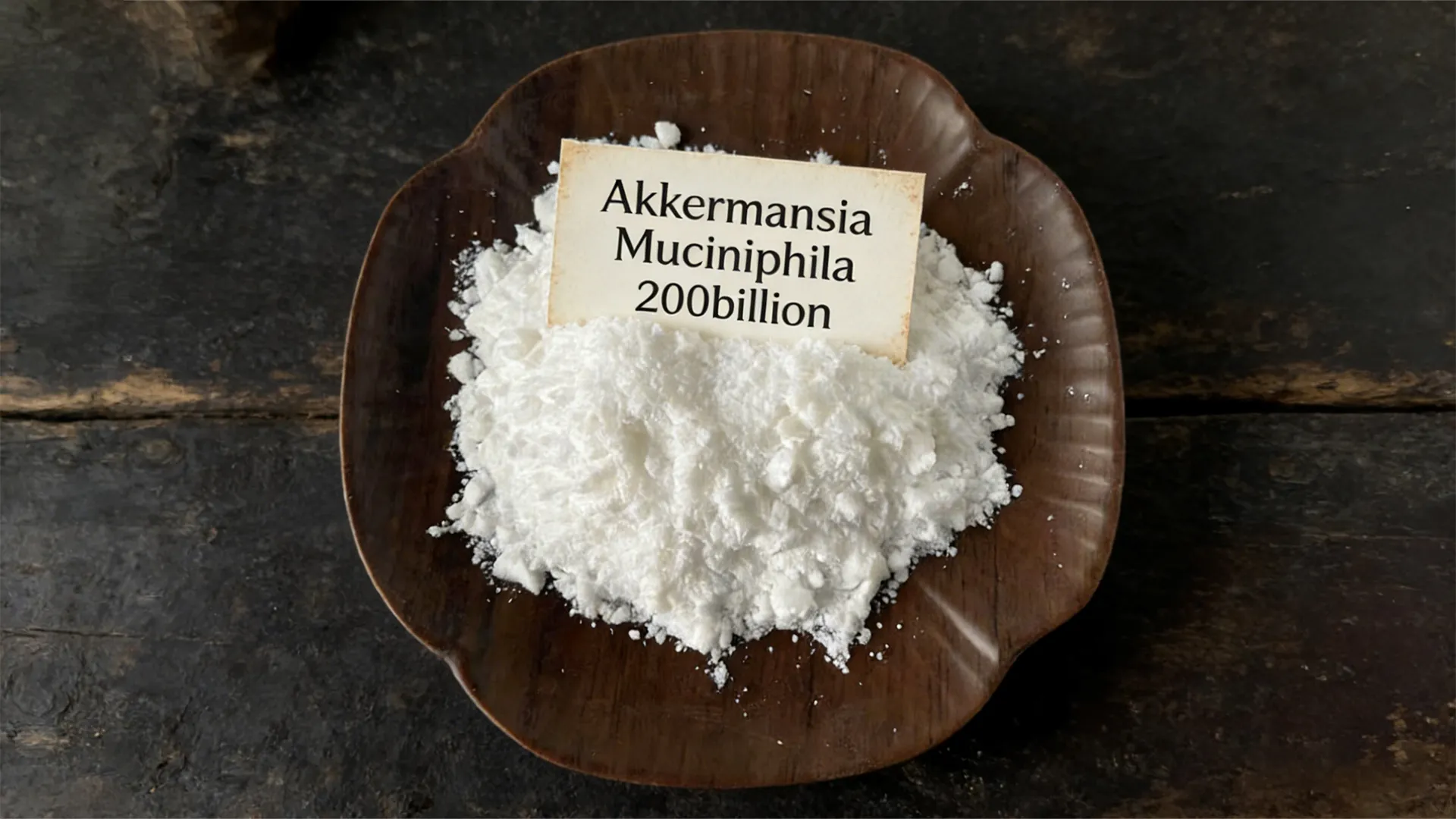
1. What is AKK bacteria?
Akkermansia muciniphila, or AKK bacterium, was isolated from the feces of healthy adults in 2004 by researchers at the Wageningen Microbiology Laboratory. This strain is a new species of a new genus within the phylum Verrucomicrobiota, and is an oval-shaped, Gram-negative, anaerobic bacterium. This bacterium is attracted to mucin, as its name suggests; it can be translated as "Ackermania mucinophila." AKK bacteria are beneficial gut bacteria that gradually decrease as enteritis progresses. Although AKK bacteria only account for 3% of the gut microbiota, their abundance is negatively correlated with obesity, diabetes, and neurodegenerative diseases, and they also have a certain anti-aging effect.
2. Characteristics of AKK bacteria
AKK bacteria rely on mucin in the human intestinal mucosa for nutrition, thus exhibiting a distinct characteristic: they depend on the intestinal mucosa for survival. Mucin is a large glycoprotein secreted by epithelial goblet cells, composed of a protein backbone containing various carbohydrates. AKK bacteria can utilize the O-glycans and amino acids in the mucin peptide backbone as an energy source, protecting the intestines from external invasion. Unlike other gut bacteria, scientists believe that AKK bacteria can not only store mucin but may also participate in mechanisms to restore intestinal mucin reserves, achieving self-sufficiency and thriving even in the absence of nutrients in the gut (especially during fasting).
Therefore, AKK bacteria are particularly important to the human gut. Low levels of AKK bacteria in the gut may lead to thinning of the intestinal mucosa, weakening the intestinal barrier function and making it easier for toxins in the gut to invade the body.
3. Research on AKK bacteria
Reduce fat and lose weight
Numerous studies have demonstrated the important role of Akkermansia muciniphila in energy absorption, consumption, and lipid browning in the host gut, and researchers have provided explanations for how Akkermansia muciniphila exerts its effects. Professor Gwang Pyo Ko of Seoul National University in South Korea published an article titled "Akkermansia muciniphila secretes a glucagon-like peptide-1-inducing protein that improves glucose homeostasis and ameliorates metabolic disease in mice" in the Nature microbiology journal. This article announced significant research findings on the mechanism by which Akkermansia muciniphila improves host obesity and glucose homeostasis, marking the first time scientists have discovered the mechanism by which Akkermansia muciniphila improves obesity.
This study used high-fat diet (HFD) mice as subjects. AKK bacteria were administered to HFD mice, and their effects on brown adipose tissue (BAT) and white adipose tissue (WAT) were examined. The results showed that AKK administration increased thermogenesis in the interscapular BAT (iBAT) of HFD mice, leading to increased skin and rectal temperatures, calorie burning, and weight loss. Simultaneously, the study found no change in the diameter and mass of WAT in HFD mice after AKK administration, confirming that AKK treatment specifically affected thermogenesis activity in BAT in HED mice, thereby inhibiting obesity.
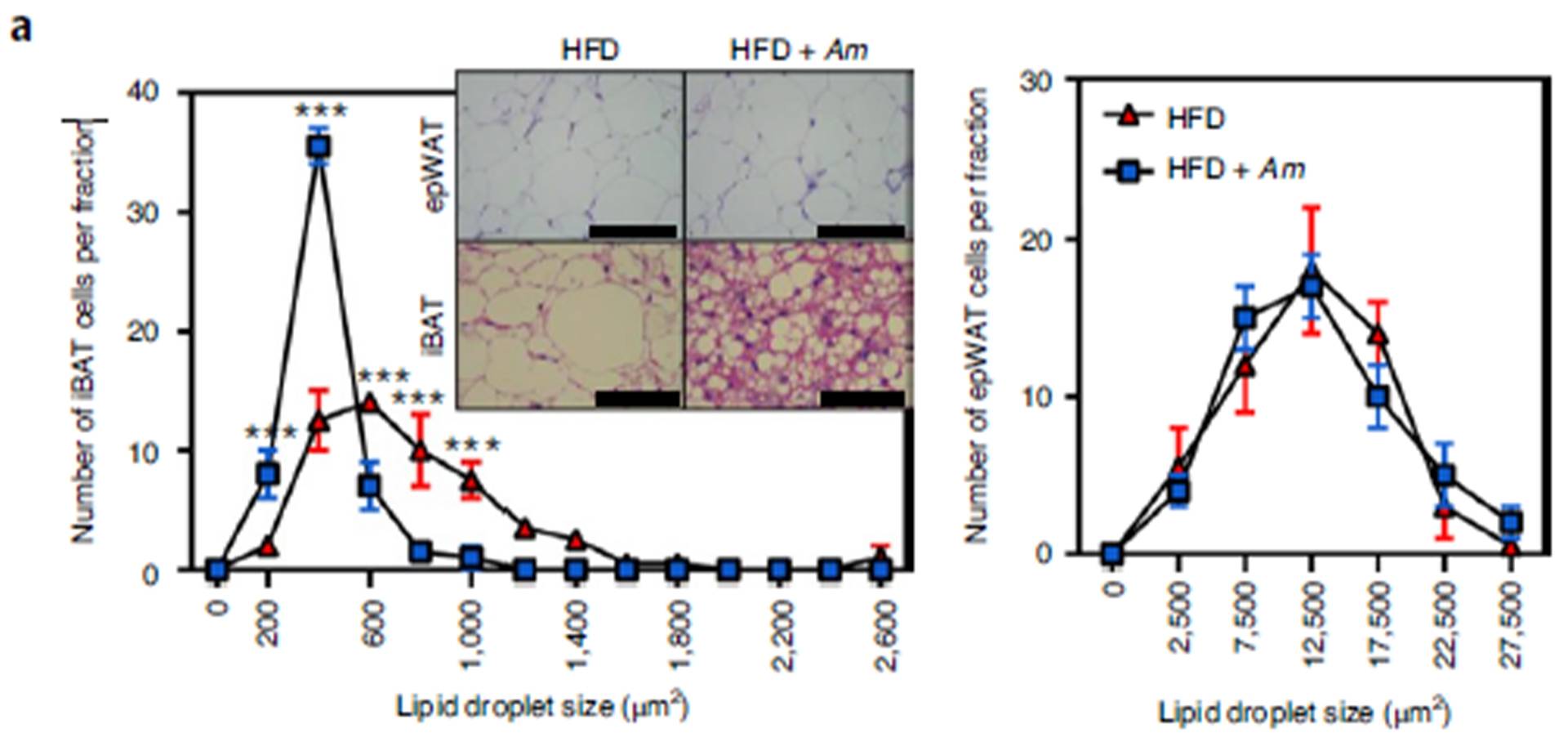
Mouse iBAT and epWAT frequency distribution map
As can be seen from the figure, after administration of AKK bacteria, the size and weight of iBAT decreased and the number increased, while epWAT showed no significant change.
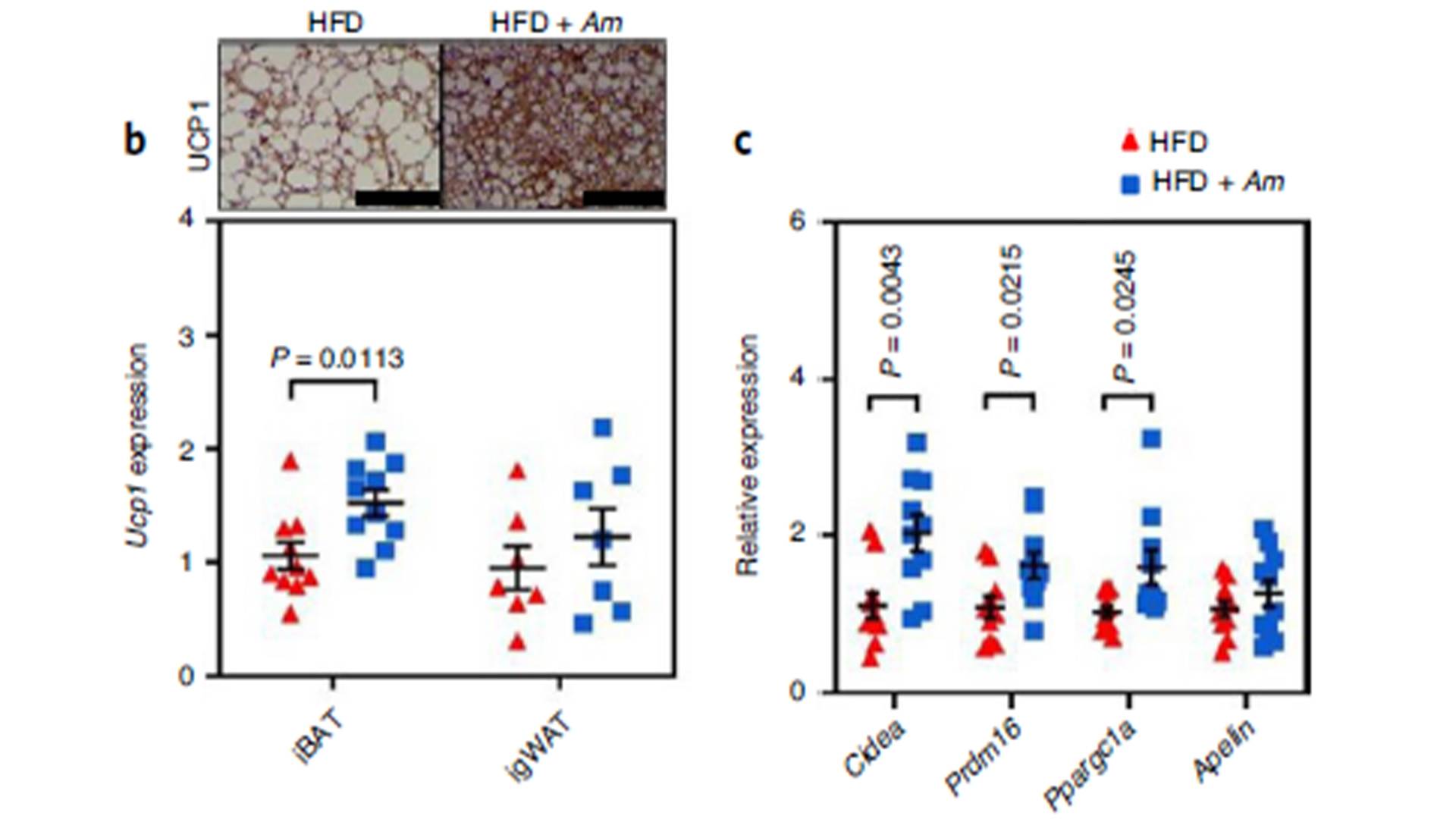
Mouse iBAT-related specific gene expression map
As can be seen from the figure, the expression of uncoupling protein 1 (UCP1), which is responsible for regulating heat production, is increased, as is the expression of the pyrogenic iBAT-specific gene.
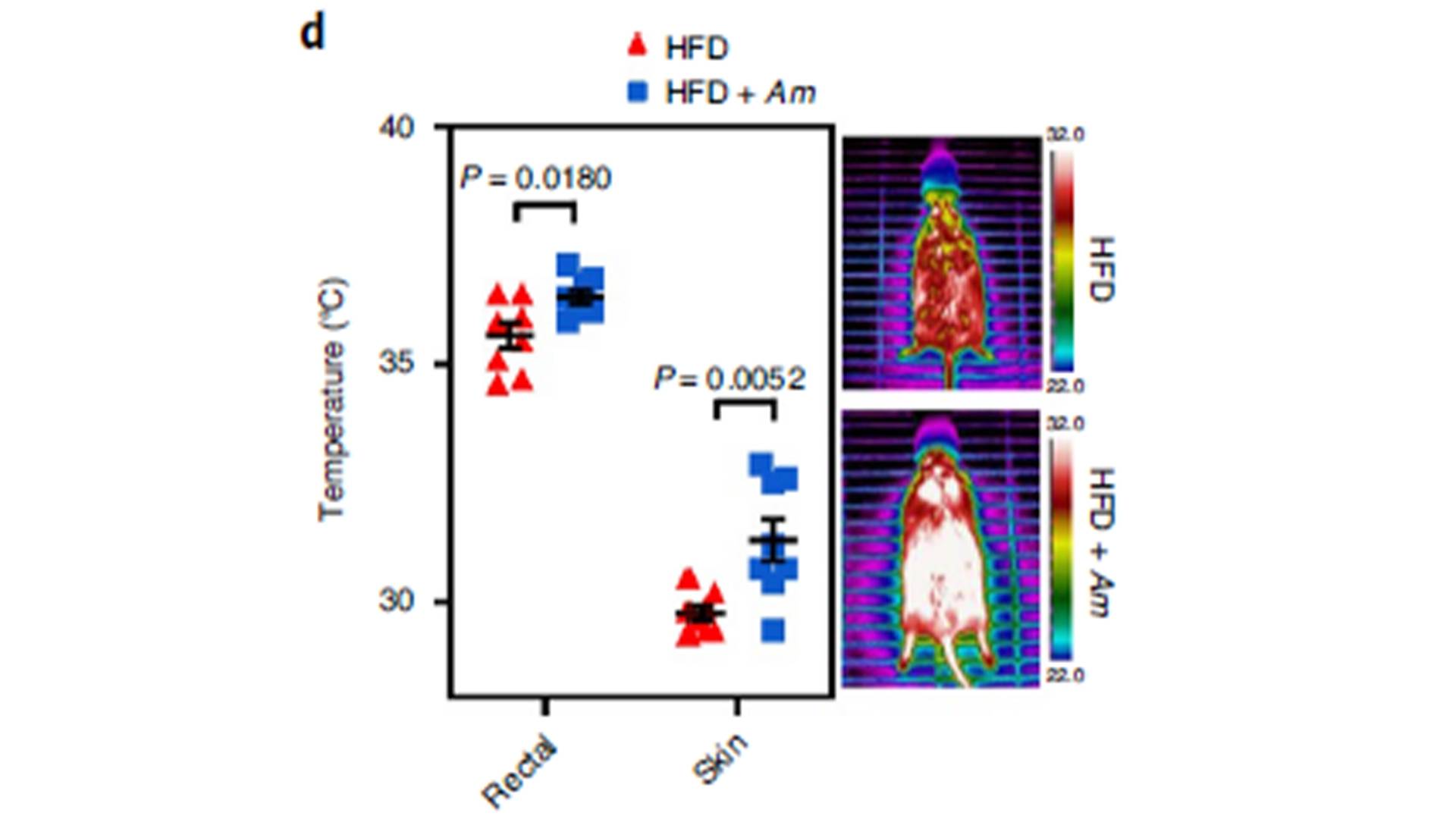
Mouse rectal and skin temperature graphs
As can be seen from the figure, the skin temperature and rectal temperature of iBAT in HFD mice are both elevated.
In addition, Professor GwangPyo Ko and others found that AKK bacteria can activate the secretion of the gastrointestinal hormone glucagon-like peptide-1 (GLP-1) in the intestine, regulate host energy balance, and improve glucose homeostasis in mice.
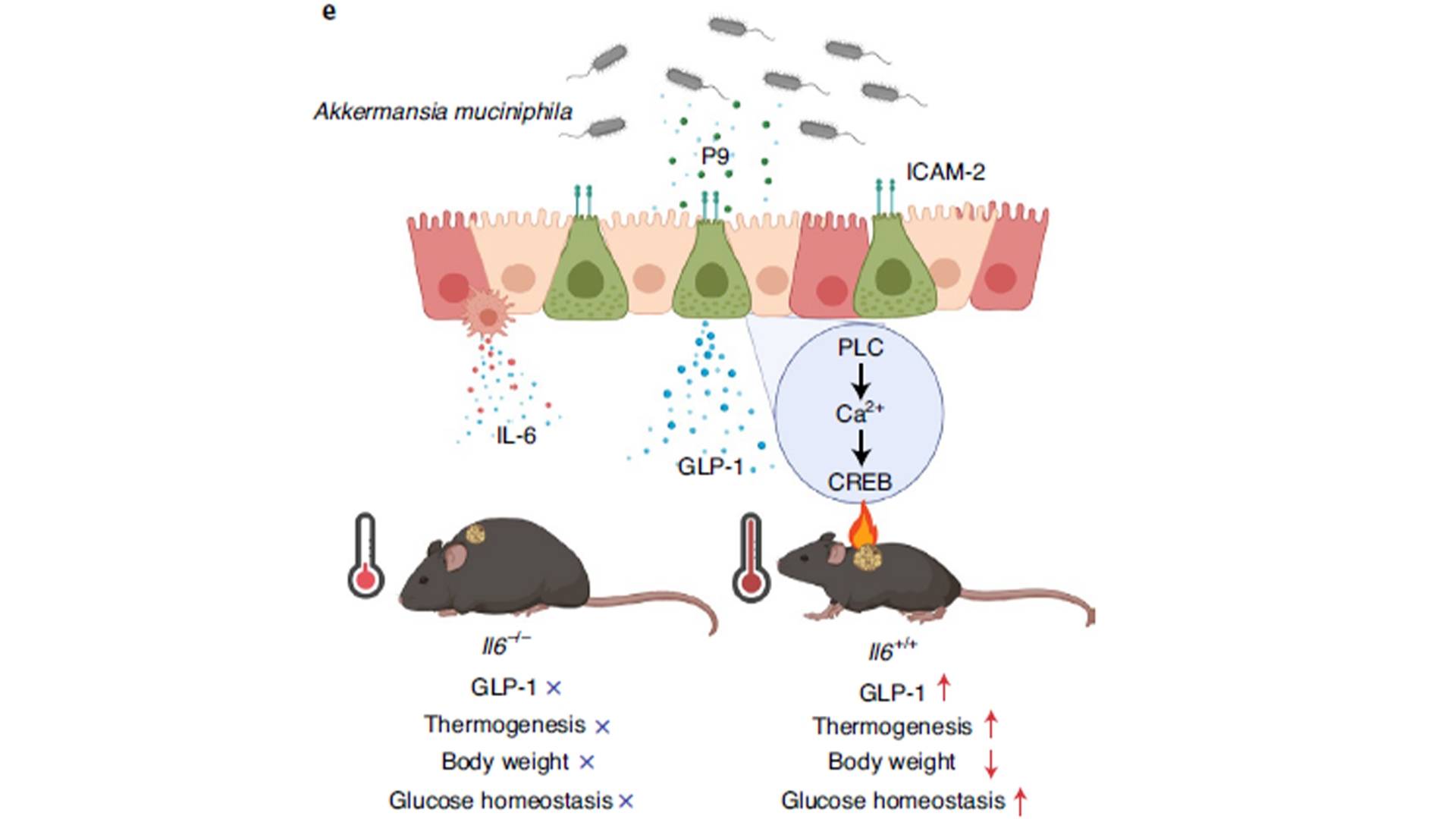
Schematic diagram of the mechanism by which AKK bacteria regulate glucose homeostasis
Through further research, Professor GwangPyo Ko and others discovered that the P9 protein secreted by AAK bacteria can improve host obesity and glucose homeostasis. The mechanism of action is as follows: after the P9 protein binds to its ligand ICAM-2 (calcium ion signaling protein and intercellular adhesion molecule 2), it promotes thermogenesis by activating the GLP-1R (glucagon-like peptide-1R) signaling pathway and IL-6 (cytokine interleukin-6), thereby improving obesity and glucose homeostasis in HED mice.
Regarding clinical research on AKK bacteria, in 2019, Patrice D. Cani's team at KU Leuven in Belgium published a paper in the journal Natural Medicine entitled "Supplementation with Akkermansia muciniphila in overweight and obese human volunteers: a proof-of-concept exploratory study". This team was the first to attempt to supplement overweight/obese human volunteers with AKK bacteria. The study used 40 overweight/obese insulin-resistant individuals as research subjects and gave these volunteers oral AKK bacteria daily. A randomized double-blind pilot study was conducted, and 32 people eventually completed the experiment. The results showed that oral administration of AKK bacteria for three months was safe and well-tolerated. Volunteers experienced significant improvements in insulin sensitivity, and their plasma total cholesterol, liver dysfunction, and inflammation-related markers were significantly reduced. Volunteers also experienced weight loss, further confirming the weight-loss efficacy of AKK bacteria.
Delay aging
Spanish researchers published a paper in *Natural Medicine*, confirming that *Akkermansia* bacteria have anti-aging effects. The study used premature aging mice and healthy centenarians as subjects, administering *Akkermansia* bacteria. Results showed that *Akkermansia* significantly extended the lifespan of premature aging mice, with extensions exceeding 10% in different premature aging mouse models. Furthermore, in a cohort of centenarians, although the gut microbiota diversity and abundance of some microorganisms were decreased compared to healthy adult controls, the levels of *Akkermansia* bacteria were increased in their gut microbiota composition!
Inhibition of neurodegenerative diseases
A paper published in the journal *Natural* by the Weizmann Institute of Science in Israel has demonstrated that *AKK* bacteria have an inhibitory effect on amyotrophic lateral sclerosis (ALS), a neurodegenerative disease. The study found that transplanting *AKK* bacteria into mice with ALS significantly slowed disease progression and prolonged their survival.
4. Future Development of AKK Bacteria
As a "next-generation" probiotic, AKK bacteria have developed rapidly. Since the completion of whole-genome sequencing of the typical AKK strain MucT in 2011, which showed that it had a positive correlation with host metabolic indicators, in just eight years until 2019, various researchers have successively discovered that AAK bacteria have functions such as regulating the intestinal barrier, alleviating obesity, and delaying aging.
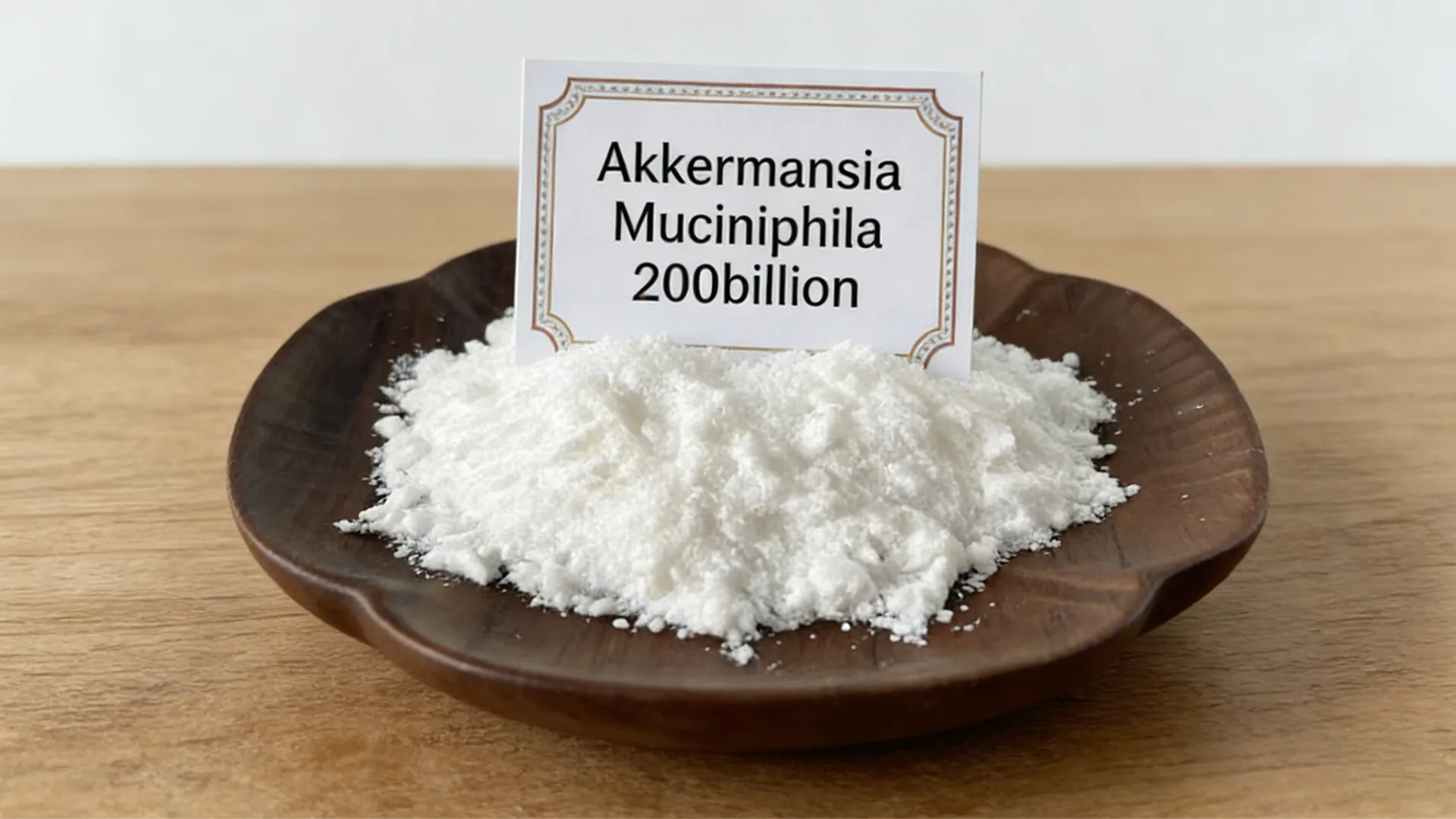
In 2022, the European Food Safety Authority approved pasteurized AKK bacteria as a novel food ingredient, and products containing pasteurized fermented cultures subsequently appeared on the market. Simultaneously, research on AKK bacteria for the treatment of diabetes, obesity, non-alcoholic fatty liver disease (NAFLD), irritable bowel syndrome, and immunotherapy was also underway. It can be seen that the research progress and application development of AKK bacteria are rapid, and many companies have also entered the AKK bacteria production sector. Companies like Xi'an Jenifer Technology Co., Ltd., with their advanced equipment, professional R&D team, and strict quality control, produce high-quality, highly active Akkermansia Muciniphila powder, especially its 200 billion CFU/g variant—empowering global brands to create scientifically based, market-leading premium products.