

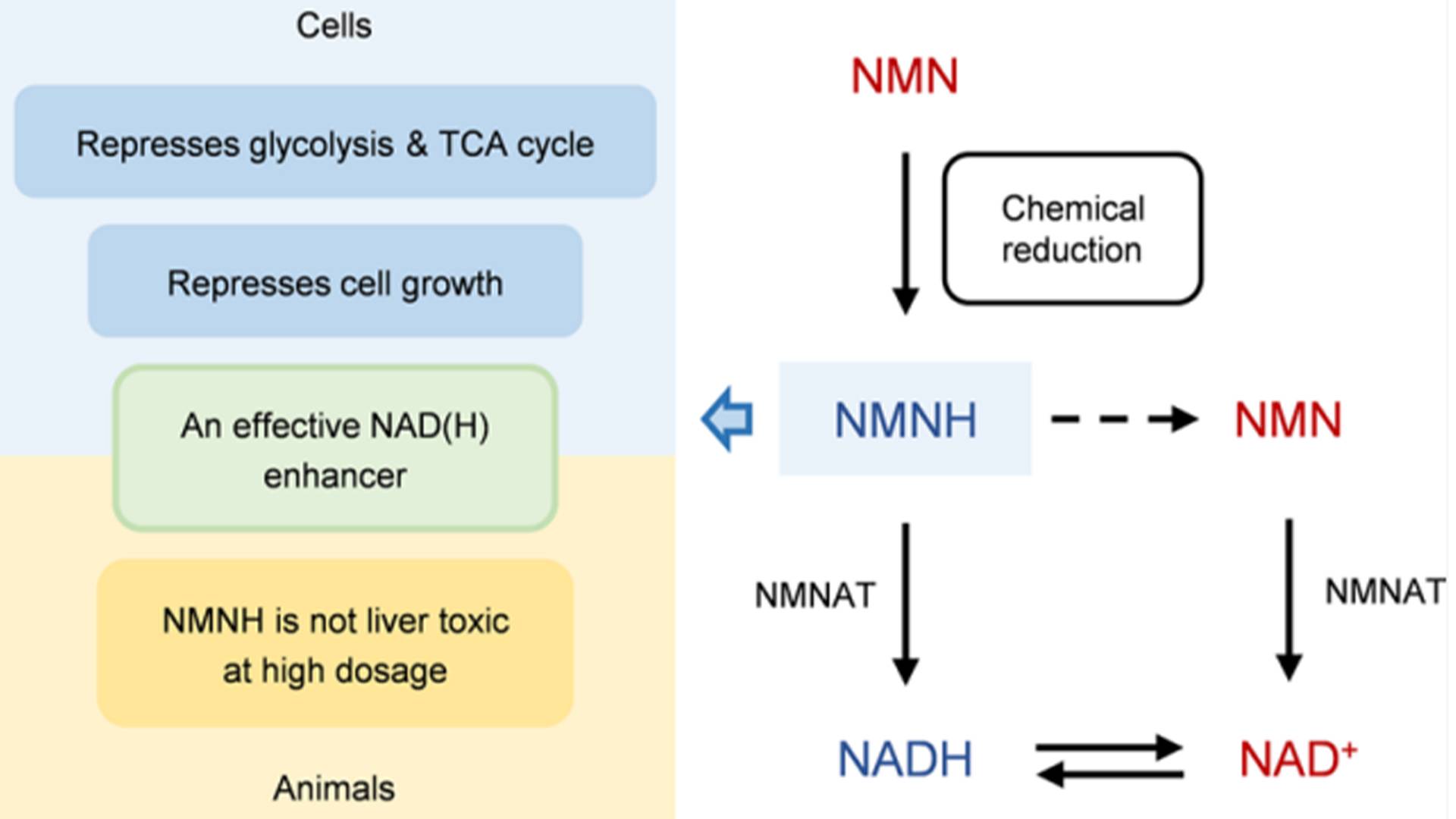
Nicotinamide mononucleotide reduced (NMNH) is the reduced form of nicotinamide mononucleotide (NMN), and also a direct precursor of nicotinamide adenine dinucleotide (NAD+), a core coenzyme in cells.
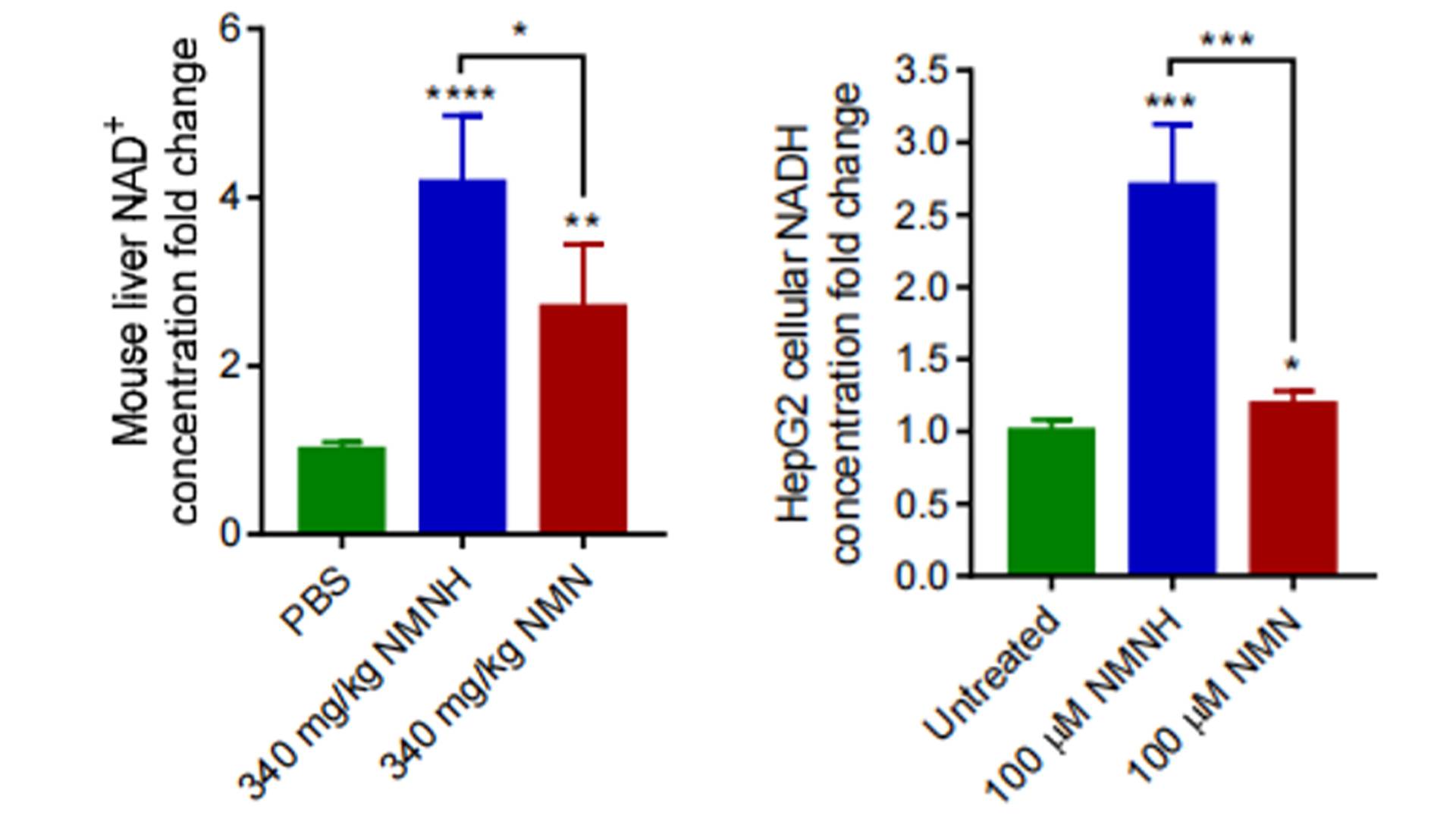
Compared with NMN, NMNH can boost the intracellular levels of NAD+ and NADH more rapidly and potently, and it exhibits unique advantages in such fields as energy metabolism, anti-aging repair and organ protection, making it a research hotspot in the health technology sector in recent years.
1.Basic Attributes
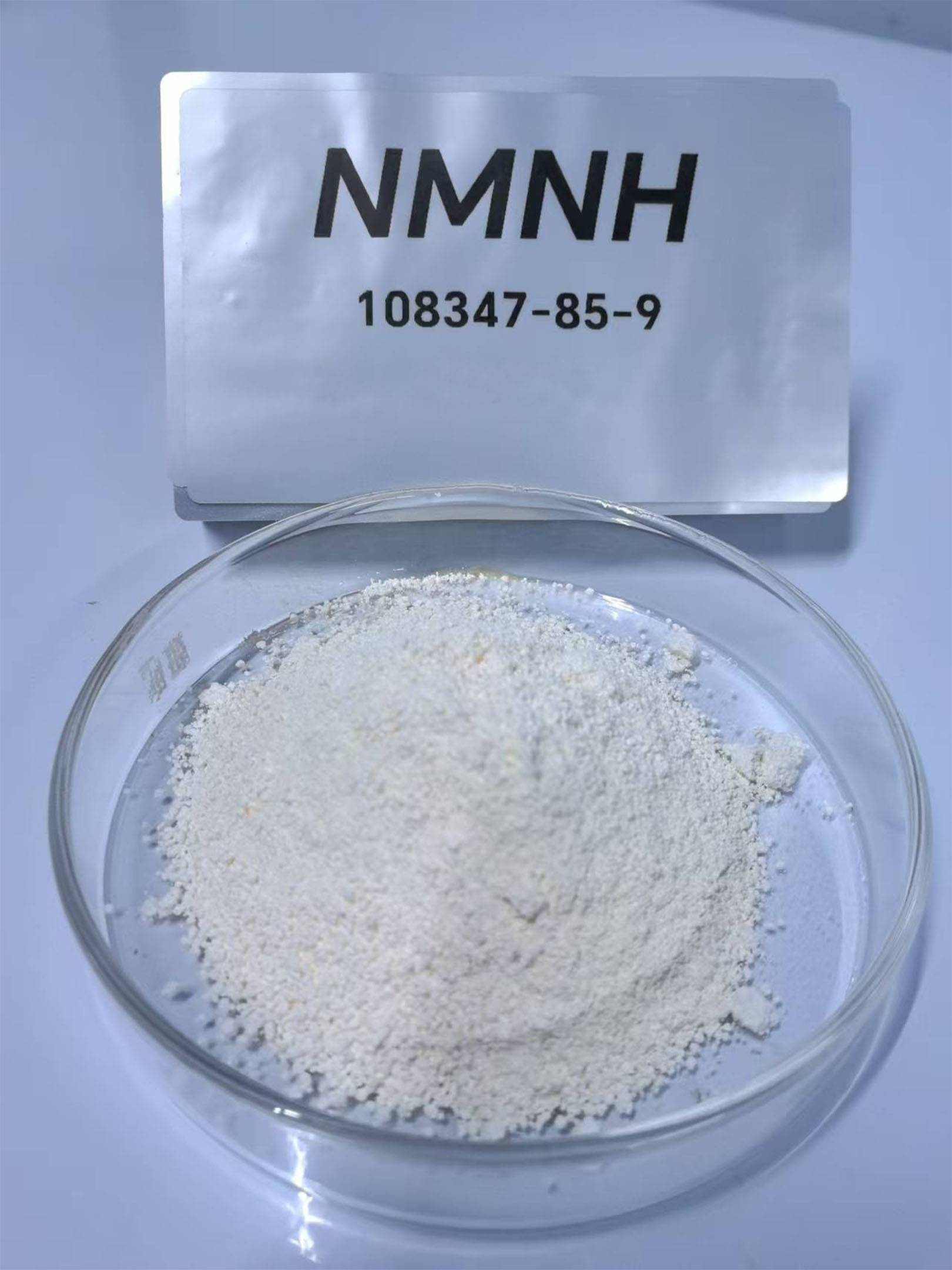
Chemical Properties: Full name is reduced β-nicotinamide mononucleotide. Its chemical formula is C11H17N2O8P, molecular weight is 336.23 g/mol, and CAS Registry No. is 108347-85-9. It appears as an amorphous light yellow powder, and is mainly used as a raw material for anti-aging health care research. It exists in two forms: free acid and sodium salt. The chemical formula of the sodium salt form is C11H15N2Na2O8P, with molecular weight is 380.2 and purity ≥98%.
The common disodium salt form has higher stability and is more suitable for industrialization applications.
Molecular Characteristics:Its core difference from NMN lies in that the pyridine nitrogen of the nicotinamide ring is in a reduced state. Its structure is closer to that of intracellular reduced coenzyme NADH, and it can participate in energy metabolism without multiple-step conversion.
Molecular characteristics: free acid and sodium salt. The sodium salt has relatively better stability, making it more conducive to storage and application.
2. Core Mechanism of Action
Rapidly Increase the Levels of NAD+ and NADH
NMNH can directly generate NADH via NMNAT enzyme, and NADH is then oxidized to NAD+ through the mitochondrial respiratory chain, forming a rapid pathway of "NMNH → NADH → NAD+". Compared with the "indirect pathway" of NMN, it can increase the total intracellular levels of NAD+ and NADH in a shorter time, significantly enhancing the cellular energy supply capacity.
Activates Mitochondrial Function & Optimizes Energy Metabolism
Rapidly increased NADH levels activate mitochondrial function—critical, as NADH is a key substrate for mitochondrial ATP (the cell’s energy currency) production. Supplementing with NMNH quickly improves mitochondrial ATP production efficiency, alleviating cellular fatigue. It also regulates glycolysis and the tricarboxylic acid (TCA) cycle, enhancing cellular metabolic homeostasis and reducing the risk of metabolic disorders.
Repairs Cellular Damage & Slows Aging
Elevated NAD+ levels activate the Sirtuin deacetylase family, core regulators of aging. These proteins promote DNA damage repair, inhibit apoptosis, and improve telomere function. Additionally, they reduce intracellular reactive oxygen species (ROS) levels, mitigating cell damage caused by oxidative stress.
Inhibits Inflammation & Protects Organ Function
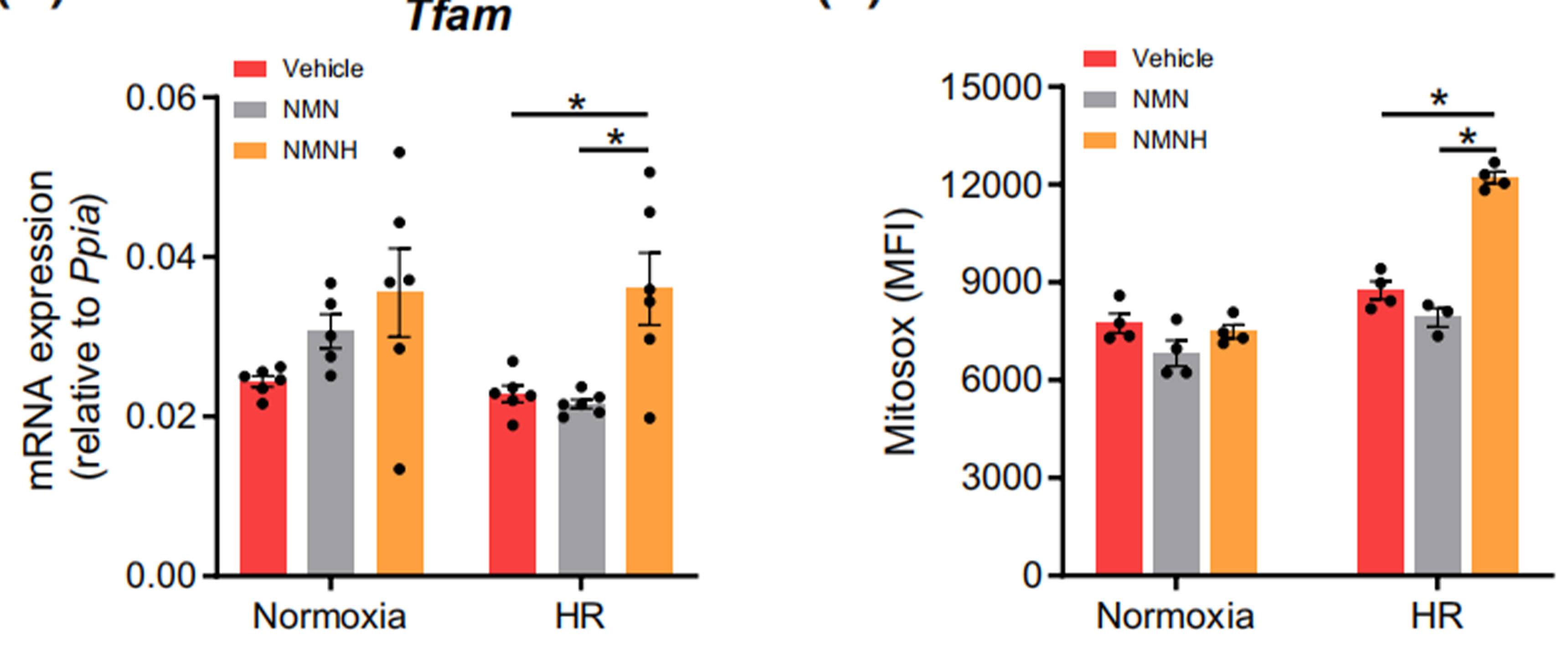
By regulating the metabolic state of immune cells, NMNH reduces the release of pro-inflammatory factors, alleviating chronic inflammation. In organs such as the kidneys and cardiovascular system, it minimizes cell damage induced by hypoxia/reoxygenation, supporting overall organ health.
Developed by Xi’an Jenifer Technology Co., Ltd., NMNH stands out as a promising molecule in the NAD+ precursor space, thanks to its more efficient NAD+ boosting capabilities and unique metabolic regulatory effects. It is particularly well-suited for scenarios requiring short-term, rapid energy activation and stress condition improvement. While challenges such as stability, cost, and clinical data optimization remain, advancements in technology and further research position NMNH to become a key supplementary solution in the global anti-aging and metabolic health markets.