
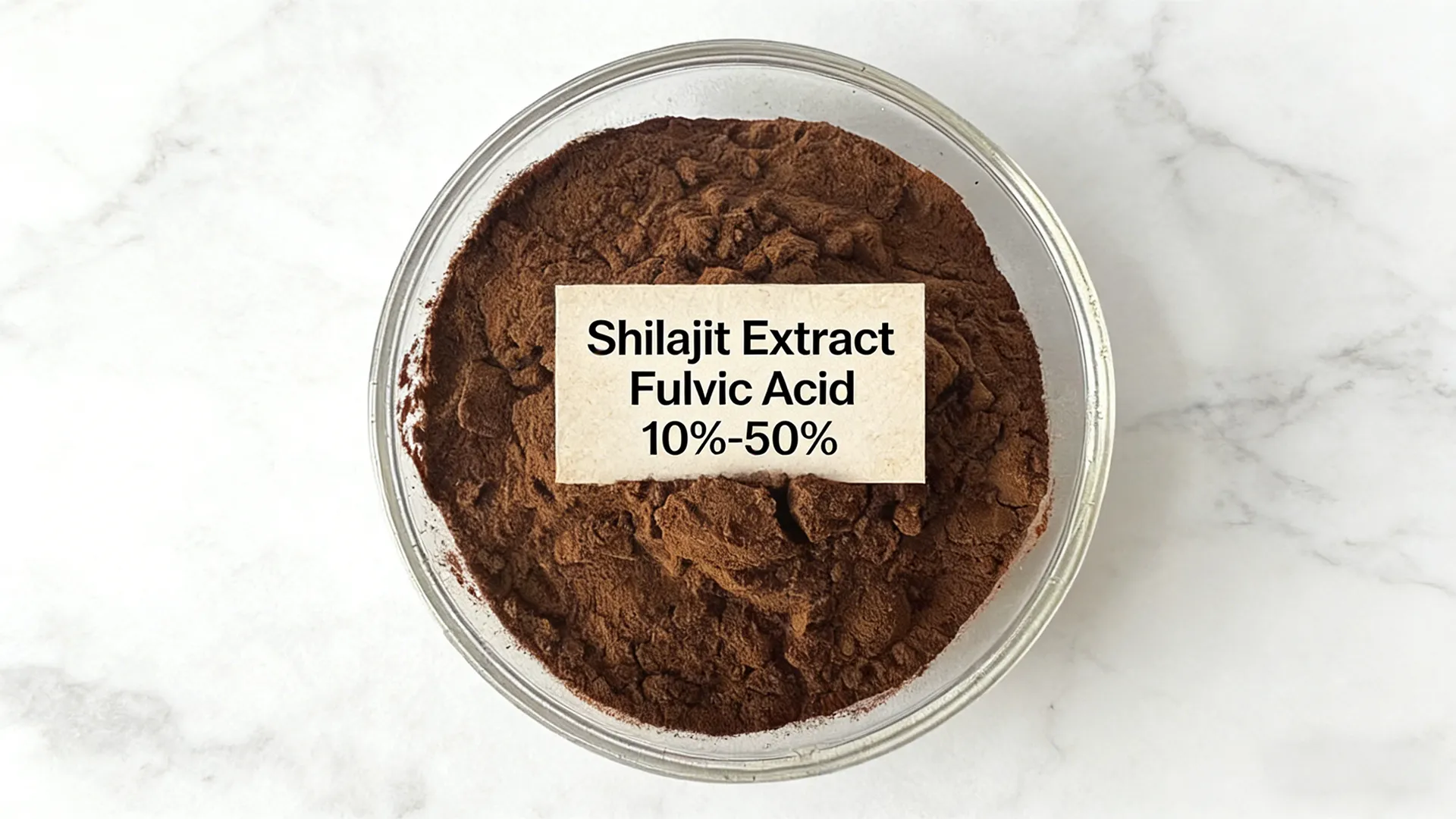
Shilajit is a compressed rock layer formed from a mixture of ancient marine organisms and microbial metabolic products. Discovered at high altitudes in the Himalayas during the summer when snow and ice melt, it is described by people based on their knowledge as paharki-khoon (mountain blood). Shilajit is said to possess healing properties of these mountains.
It is an important herbal medicine in ancient Ayurvedic texts and is still widely used by Ayurvedic doctors to treat various diseases. Today, Shiraz has become a favorite among celebrities and public figures due to its remarkable anti-aging properties.
Whether it's Robert Downey Jr., who plays Iron Man, Oscar-winning actress Gwyneth Paltrow, or talk show queen Oprah Winfrey, they all consider Shiraz a secret to their daily skincare routine.
Is Shilajit believed to have anti-aging effects because of its anti-aging properties and rarity? Of course not. Over the past decade, an increasing number of studies involving humans, animals, and in vitro systems have been published to support the effects of Shilajit and its impact on health.
Animal and human studies support its use as a "revitalizing agent," promoting increased physical and mental energy and alleviating fatigue associated with reduced adenosine triphosphate (ATP) production. Shilajit possesses antioxidant, anti-inflammatory, immunomodulatory, diabetes-improving, and nerve-function-enhancing properties, and can also promote sperm production. Based on animal and human studies, the safety of Shilajit has been fully confirmed.
Shilajit is currently most commonly used to improve male function. Testosterone is the main hormone that makes men masculine. Stress can reduce testosterone production (cortisol theft) and cause chronic fatigue. Shilajit can replenish essence and marrow and increase testosterone levels.
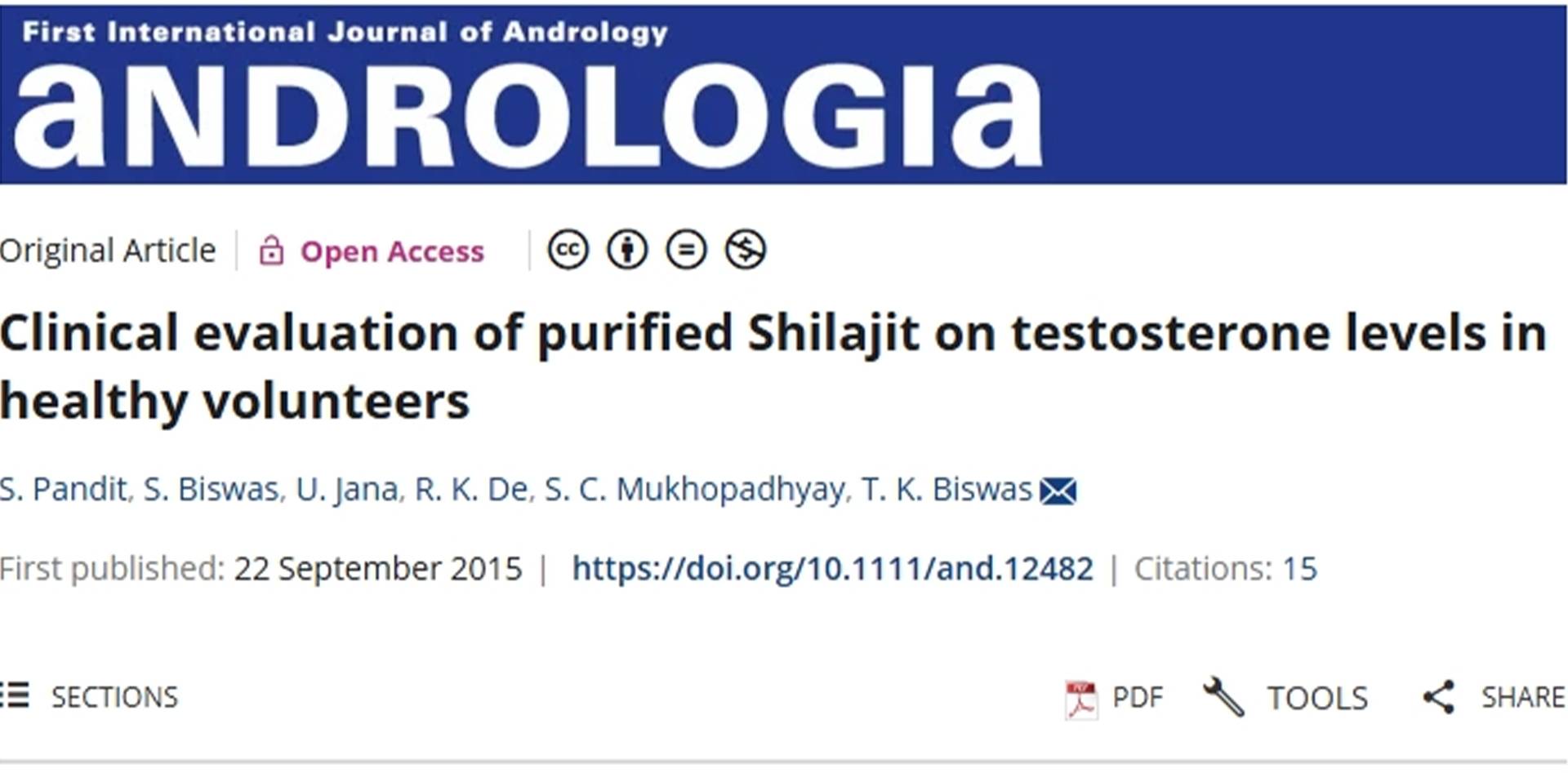
Shilazoline increases both total and free testosterone levels. Significant improvement in DHEAs indicates its effect on testosterone synthesis. Both LH and FSH levels were maintained at good levels. In healthy male volunteers aged 45-55, Shilazoline was superior to the placebo group in both testosterone synthesis and stimulation.
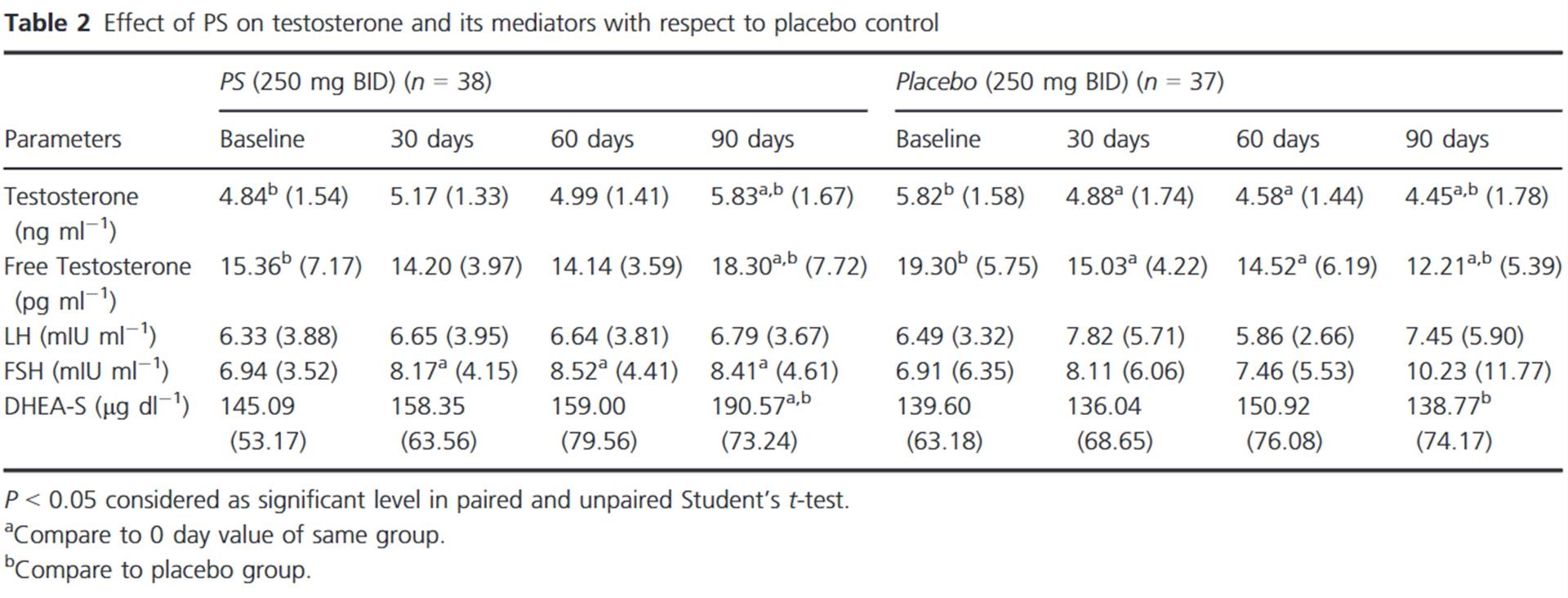
Shilajit does not cause abnormalities in serum urea, uric acid, serum bilirubin, total protein, serum globulin, SGPT, SGOT, or alkaline phosphatase, therefore its safety is well-assured.
In a study of 28 patients with oligospermia treated with a 100mg dose for 90 days, significant improvements were observed in total sperm count (+61.4%), sperm motility (+12.4-17.4%), normal sperm count (+18.9%), and total testosterone (+23.5%) (P < 0.001).
In addition to improving male function, Shilajit also has a beneficial effect on other bodily functions.
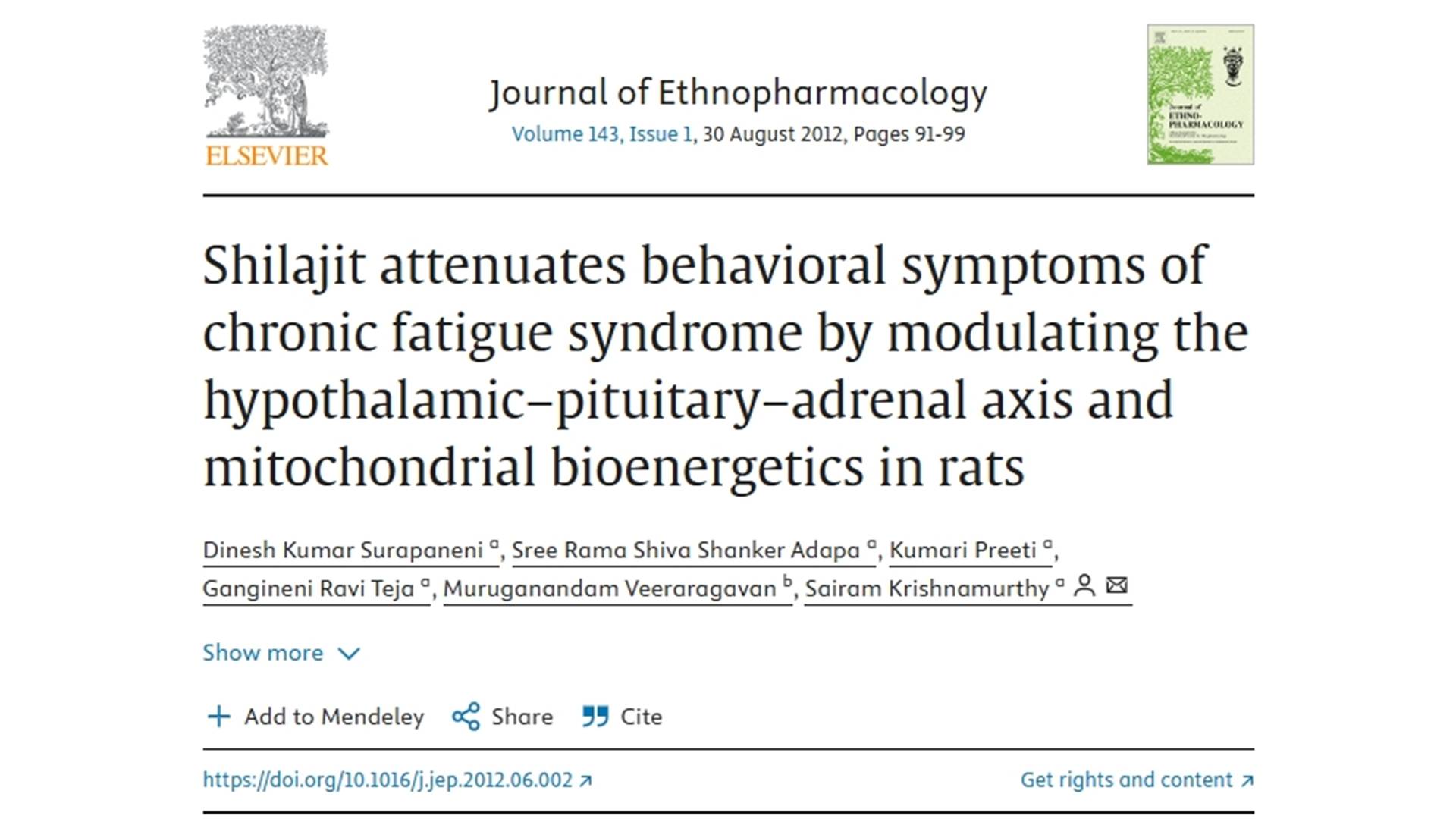
This is a study on chronic fatigue. Fatigue is a feeling of insufficient energy, not just physical exertion. If fatigue is accompanied by other systemic and neuropsychiatric symptoms and lasts for more than 6 months, a diagnosis of chronic fatigue syndrome (CFS) should be considered.
Due to the lack of specific pathological diagnostic evidence, CFS is difficult to diagnose. CFS is caused by exposure to chronic stress, an imbalance in the hypothalamic-pituitary-adrenal (HPA) axis and neurotransmitters in the brain, and disturbances in serotonin and norepinephrine levels.
Brain fMRI and morphometry studies have shown fatigue-related abnormalities in the frontal lobe of patients with CFS. Antidepressants (selective serotonin reuptake inhibitors) have been widely used, but long-term administration has failed to demonstrate significant clinical efficacy and has resulted in numerous side effects. Therefore, there is interest in alternative treatments for chronic fatigue syndrome.
A significant correlation exists between the degree of mitochondrial dysfunction and the severity of CFS. Shilazoline can protect mitochondrial function in hypoxic rats.
This study is quite interesting. It induces CFS by forcing rats to swim continuously for 21 days, swimming for 15 minutes each day.
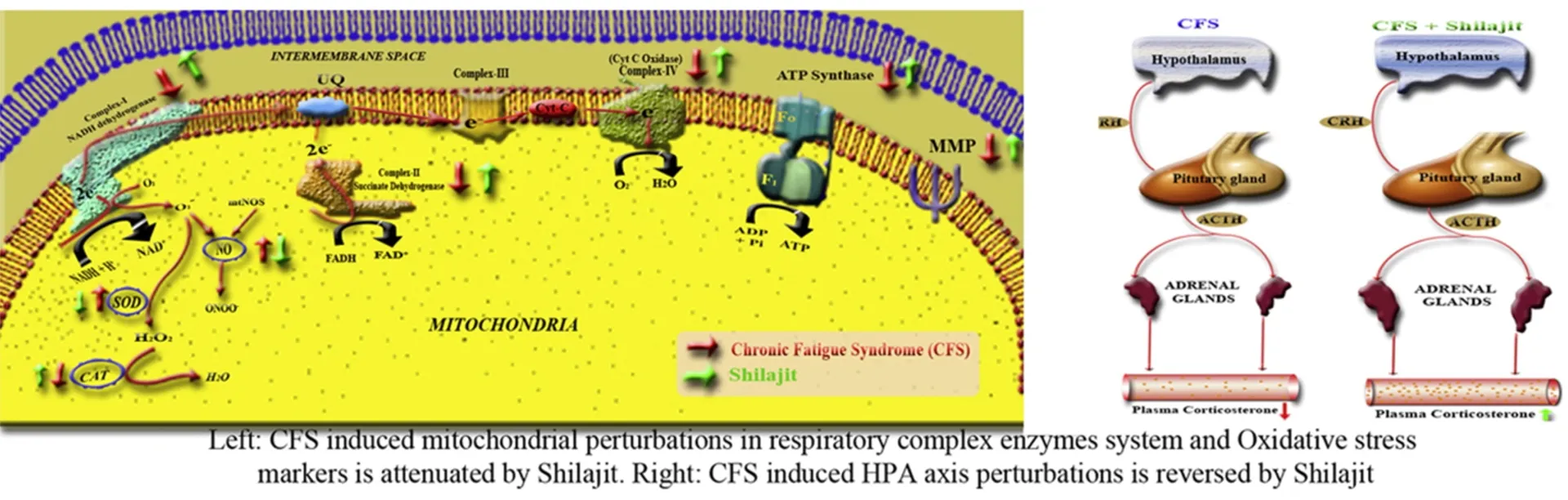
Shilajit reversed CFS-induced increases in immobility and decreases in climbing behavior, alleviated anxiety, and also reversed CFS-induced decreases in plasma corticosterone levels and adrenal weight loss. Shilajit prevented CFS-induced mitochondrial dysfunction by stabilizing complex enzyme activity.
It reversed CFS-induced mitochondrial oxidative stress in terms of NO concentration and LPO, SOD, and catalase activity. These results indicate that Shilajit mitigates the effects of CFS in this model by modulating the HPA axis and maintaining mitochondrial function and integrity.
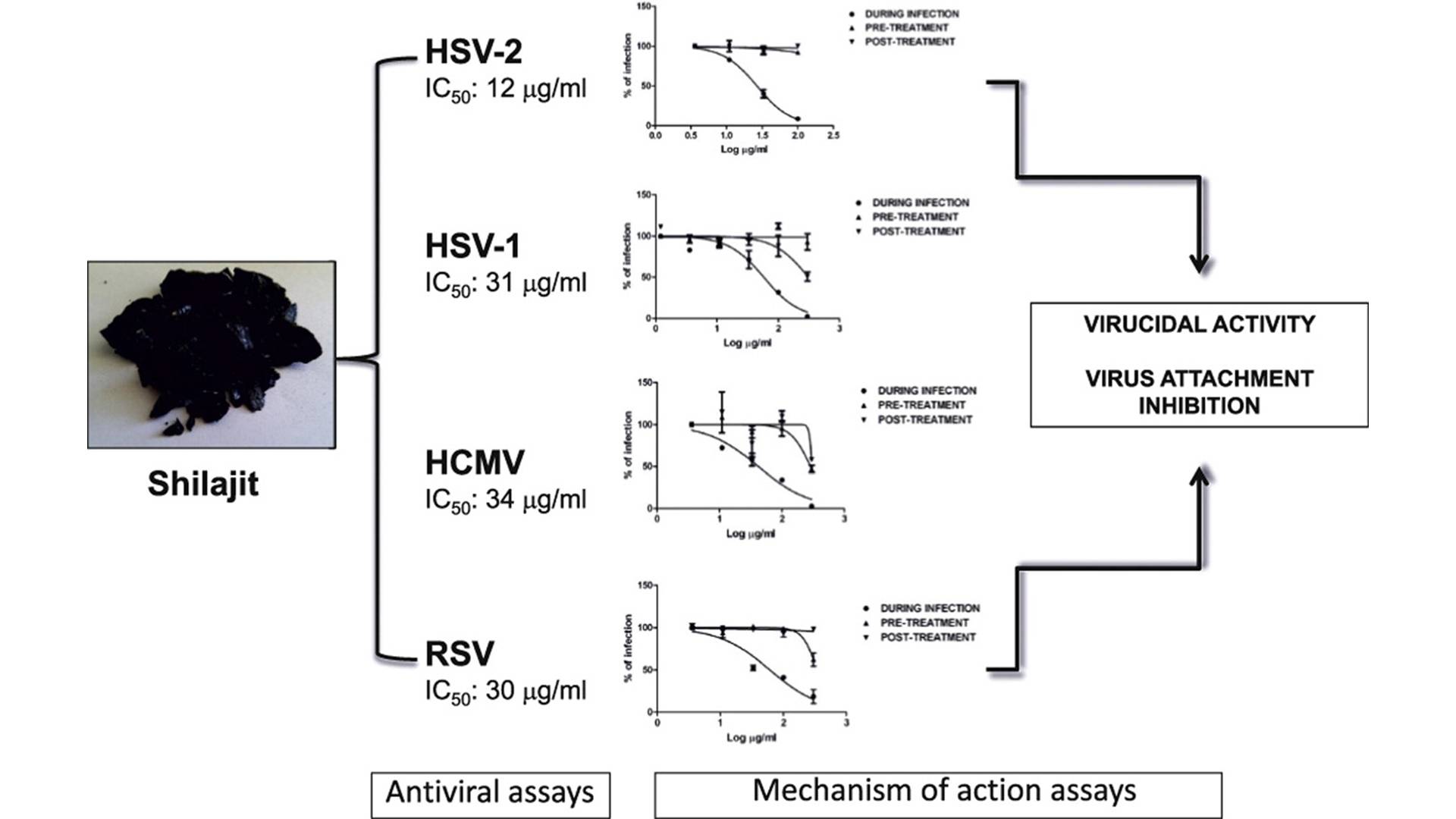
With the proliferation of various viruses, Shilajit has shown inhibitory effects against a wide range of viruses, especially respiratory viruses.
In vitro, it exhibits dose-dependent inhibitory activity against herpes simplex virus types 1 and 2 (HSV-1, HSV-2), human cytomegalovirus (HCMV), and human respiratory syncytial virus (RSV) (EC values of 31.08 μg/ml, 12.85 μg/ml, 34.54 μg/ml, and 30.35 μg/ml, respectively). Partial virus inactivation and interference with virus attachment are the antiviral mechanisms of Shilajit.
The liver and kidneys are the most important detoxification and elimination organs in the human body. Various drugs and toxins encountered daily can damage liver and kidney function. Cereal can alleviate liver and kidney damage caused by chemotherapy drugs.
Osteosarcoma rats with overall survival (OS) were randomly divided into 5 groups: control group, OS, OS+CMF (cyclophosphamide, methotrexate, and 5-fluorouracil), OS+CMF+LDS (low-dose Cereal), and OS+CMF+HDS (high-dose Cereal).
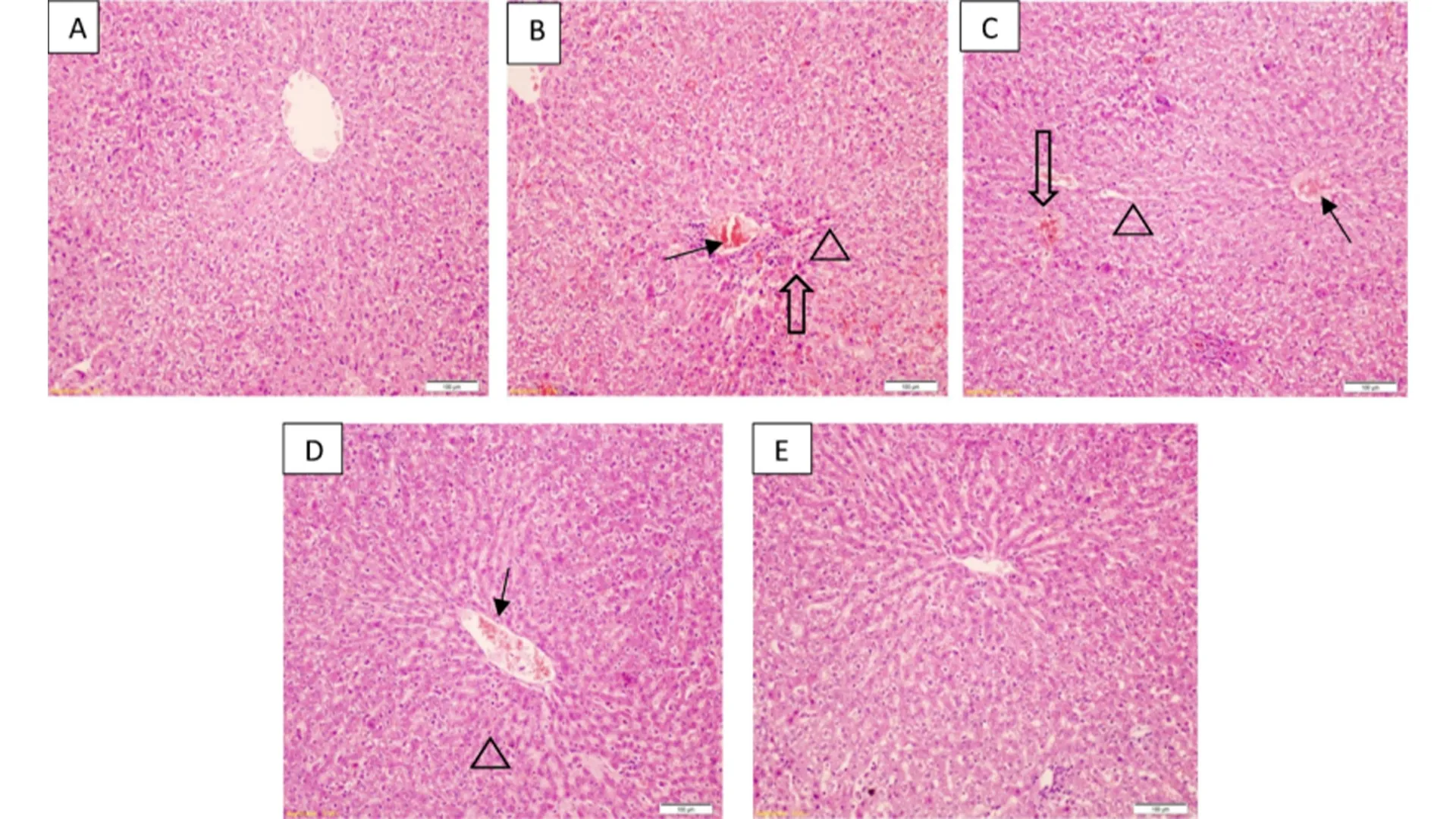
The image above shows H&E-stained liver tissue sections from control (A), OS (B), OS + CMF (C), OS + CMF + LDS (D), and OS + CMF + HDS (E) rats.
The histology of osteosarcoma rats (OS group) shows hepatocyte ballooning degeneration (indicated by triangles), sinusoidal congestion (indicated by hallow arrows), and inflammation (arrows), which differs from the normal histology in the control group.
Histological sections of the OS+CMF group showed hepatocyte regeneration, but less sinusoidal congestion and moderate inflammation. The OS+CMF + LDS group showed reduced liver tissue degeneration, no sinusoidal congestion, and mild inflammation, while the histological sections of the OS+CMF + HDS group were close to normal.
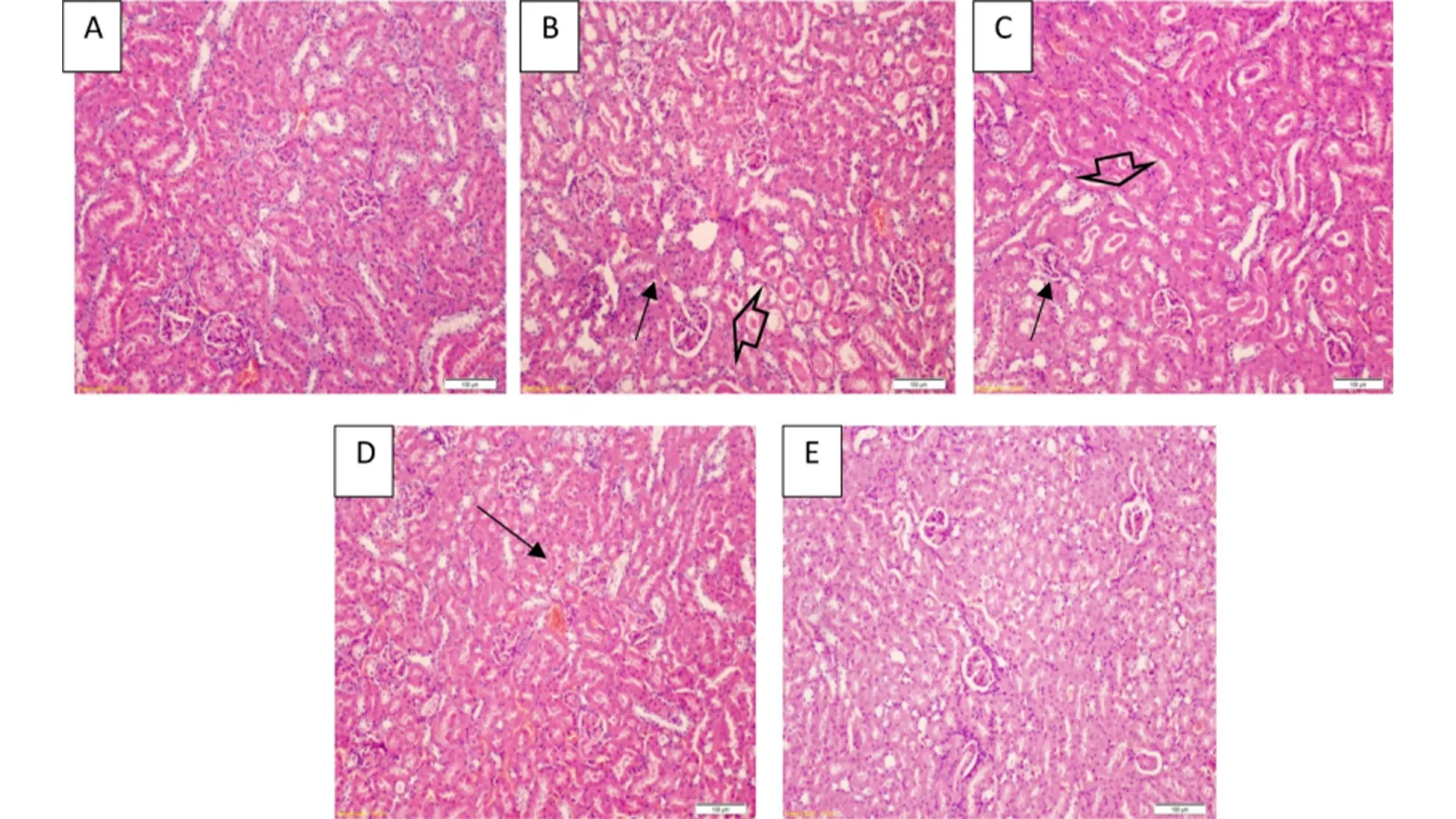
The image above shows H&E-stained kidney tissue sections from control (A), OS (B), OS + CMF (C), OS + CMF + LDS (D), and OS + CMF + HDS (E) rats.
Histological examination of osteosarcoma rats (OS group) shows glomerular cluster atrophy (arrows) and renal tubular atrophy (hallow arrows). Tissue sections from the OS + CMF group show mildly congested glomeruli and moderate renal tubular atrophy.
Rats in the OS+CMF+LDS group showed no glomerular congestion but mild tubular atrophy. No obvious histological changes were observed in the kidney tissue sections of rats in the OS+CMF+HDS group.
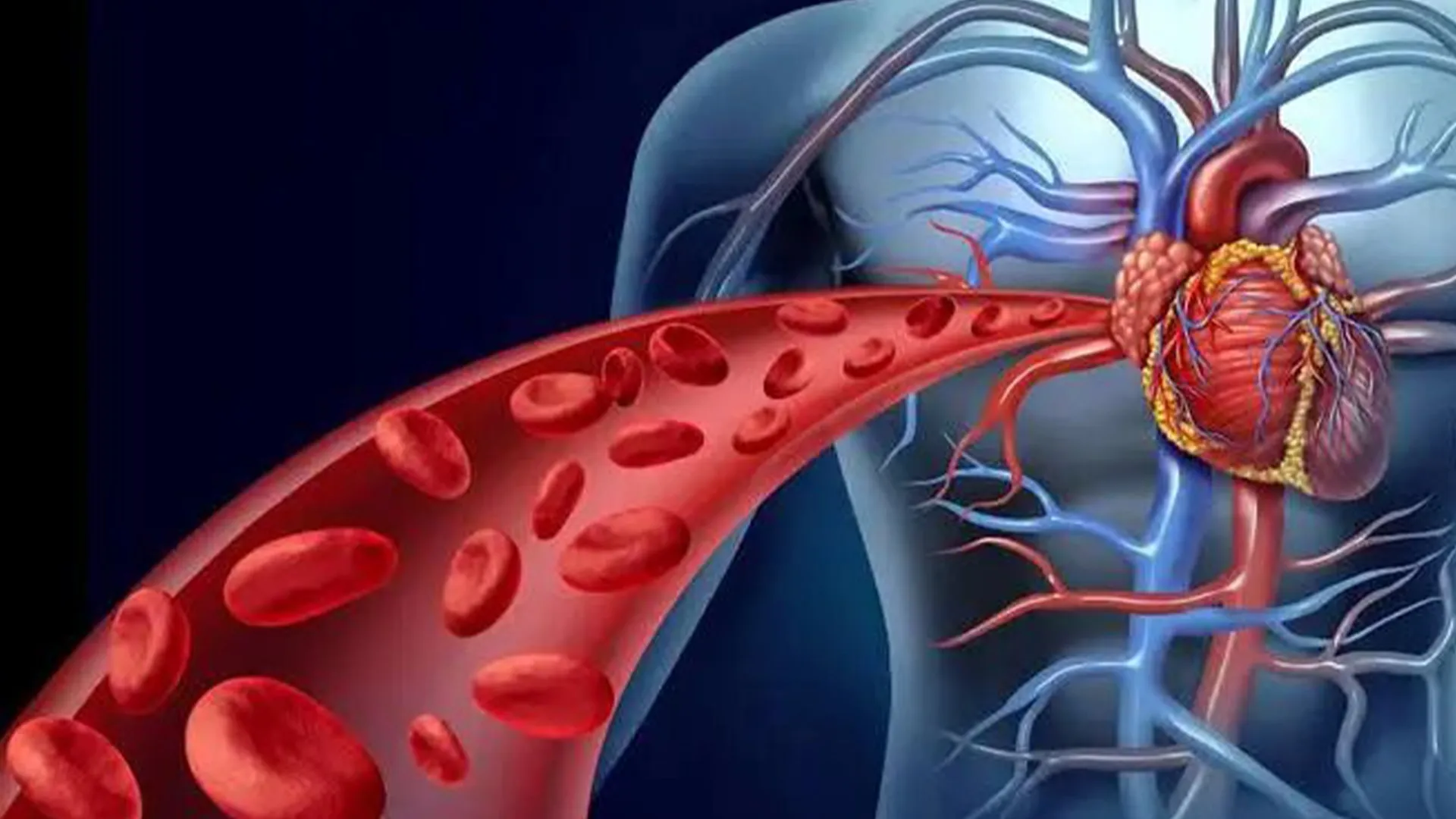
For cardiovascular disease, oxygen free radicals are the most important factor in the formation of arterial plaques, while nitric oxide can protect the vascular endothelium. Shilazoline possesses affinity for oxygen free radicals and nitric oxide (NO) (anti-free radical/antioxidant activity) and H2O2 cleavage activity.
Shilazoline can protect methyl methacrylate (MMA) from hydroxyl radical-induced polymerization and acts as a reversible NO catalyst.
Shilazoline (20 and 50 mg/kg/day, intraperitoneal injection, for a total of 21 days) induced dose-related increases in the activities of superoxide dismutase (SOD), catalase (CAT), and glutathione peroxidase (GPX) in the frontal cortex and striatum of rats.
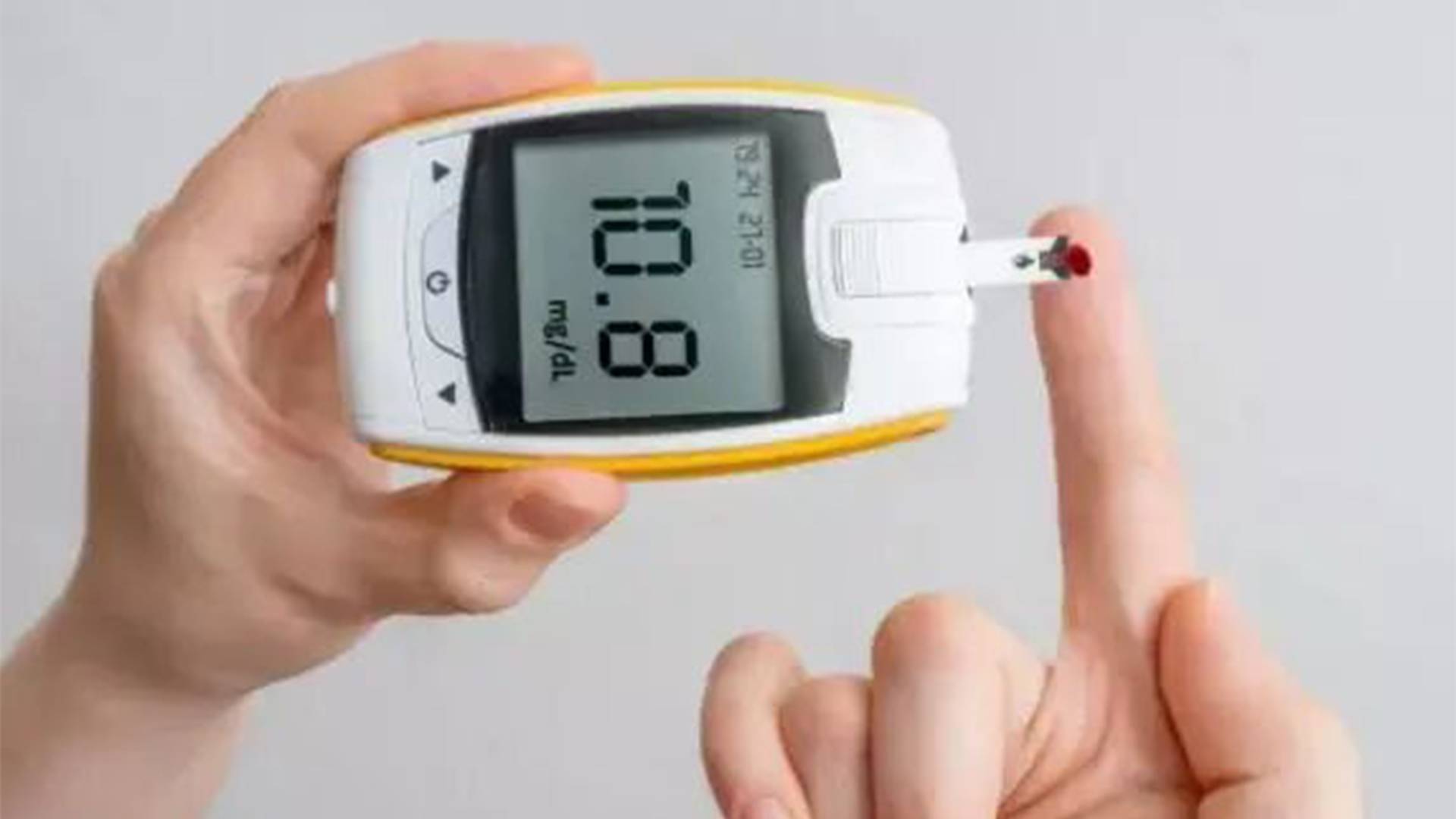
Shilazoxin also has a preventive effect against diabetes. A diabetic model was induced in male Wistar rats using streptozotocin (STZ, 45 mg/kg, for 2 consecutive days).
Shilazoxin (50 and 100 mg/kg, p.o.) had no significant effect on blood glucose levels in normal rats. However, high doses of Shilazoxin starting from day 14 attenuated the response of STZ to hyperglycemia.
Also starting from day 14, both doses of Shilajit reduced the STZ-induced decrease in superoxide dismutase activity. Shilajit acts as a free radical scavenger to attenuate these two effects of STZ.
Alzheimer's disease (AD) is a brain disorder, a type of dementia. Its prevalence and impact are steadily increasing.
This spread and prevalence has drawn attention from the medical community and the public. An important strategy for preventing this brain damage is dietary changes, nutritional supplements, functional foods, and nutrients.
Shilajit and its active ingredient fulvic acid, along with a formula of Shilajit and B-complex vitamins, represent a novel nutritional preparation with potential applications in treating this brain disease.
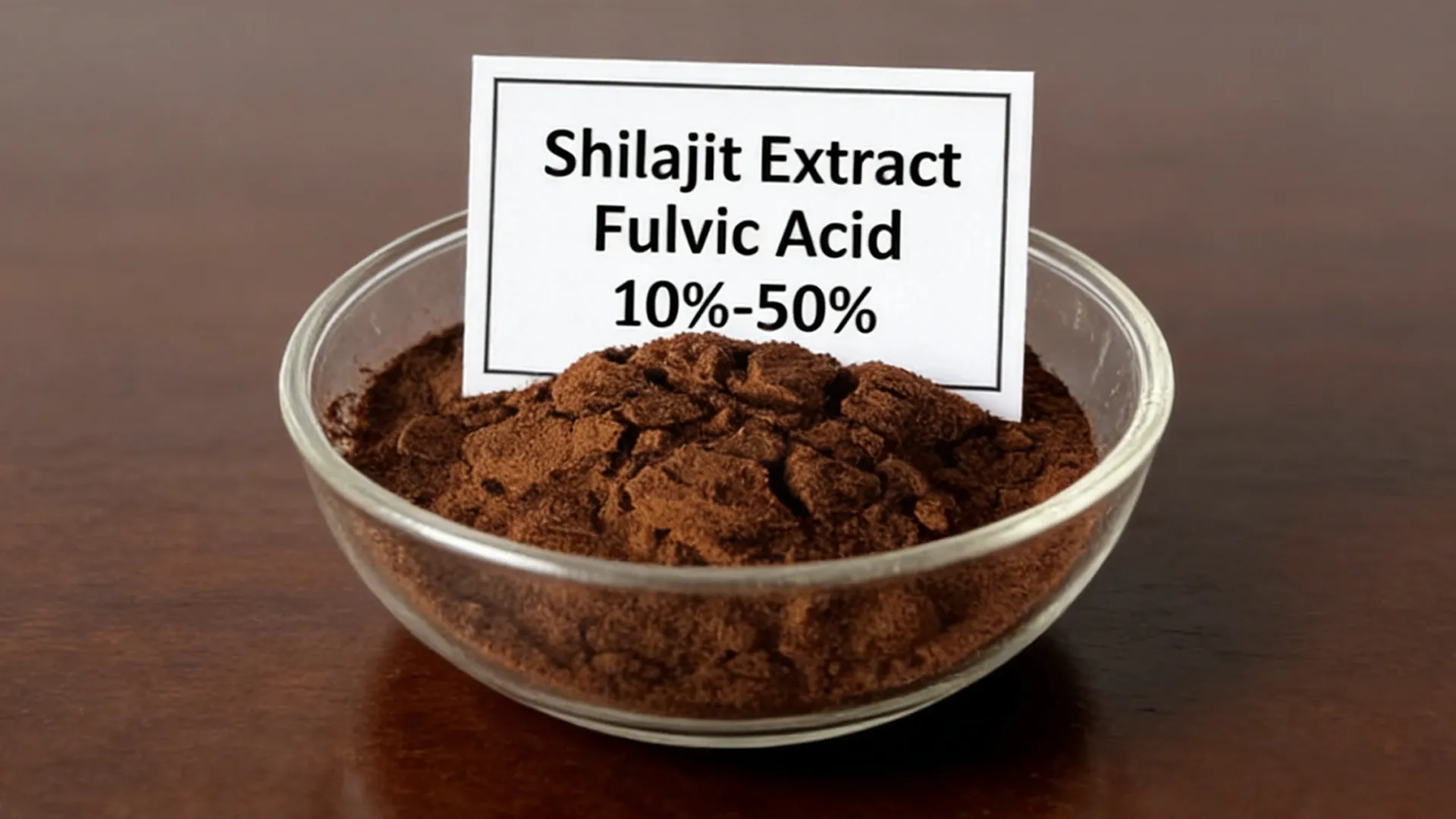
As Shilajit Extract continues to gain momentum in the global wellness market, Xi'an Jenifer Technology Co., Ltd. remains committed to delivering premium, reliable Shilajit Extract powder that empowers brands to create high-quality, market-leading products. With its unwavering focus on quality, authenticity, and customer satisfaction, the company is poised to become a key partner for brands looking to capitalize on the growing demand for natural, effective nutraceutical ingredients.
For more information about Xi'an Jenifer Technology Co., Ltd.’s Shilajit Extract powder and customized solutions, please contact the company directly.