A New Anti-Aging Option: The Science and Future of Nicotinamide Riboside (NR)
In exploring the secrets of human health and longevity, scientists have discovered a key molecule known as "cellular energy currency"—NAD+. As we age, our NAD+ levels decline significantly, a phenomenon closely linked to various age-related diseases. Nicotinamide riboside (NR), a highly effective and safe NAD+ precursor, is becoming a rising star in the fields of anti-aging and health management. This article will take you deeper into the scientific evidence, mechanism of action, and practical applications of NR, unveiling the mystery of this "longevity molecule."
NAD+ metabolic network: the foundation for understanding the role of NR
NAD+ (nicotinamide adenine dinucleotide) is a crucial cofactor in cells, involved in energy metabolism and various enzymatic reactions. In biochemistry textbooks, NAD+ is highly praised for its ability to transfer electrons from glycolysis and the tricarboxylic acid cycle to the mitochondrial electron transport chain in its reduced form, NADH. This fuels oxidative phosphorylation in mitochondria, converting ADP to ATP.
NAD+ also functions as a co-substrate in various enzymatic processes, particularly the sirtuins and ADP-ribosyltransferase families, which utilize NAD+ as a co-substrate to consume NAD+ and release nicotinamide (NAM). Furthermore, SARM1, CD38, and CD157/BST1 can also consume NAD+.
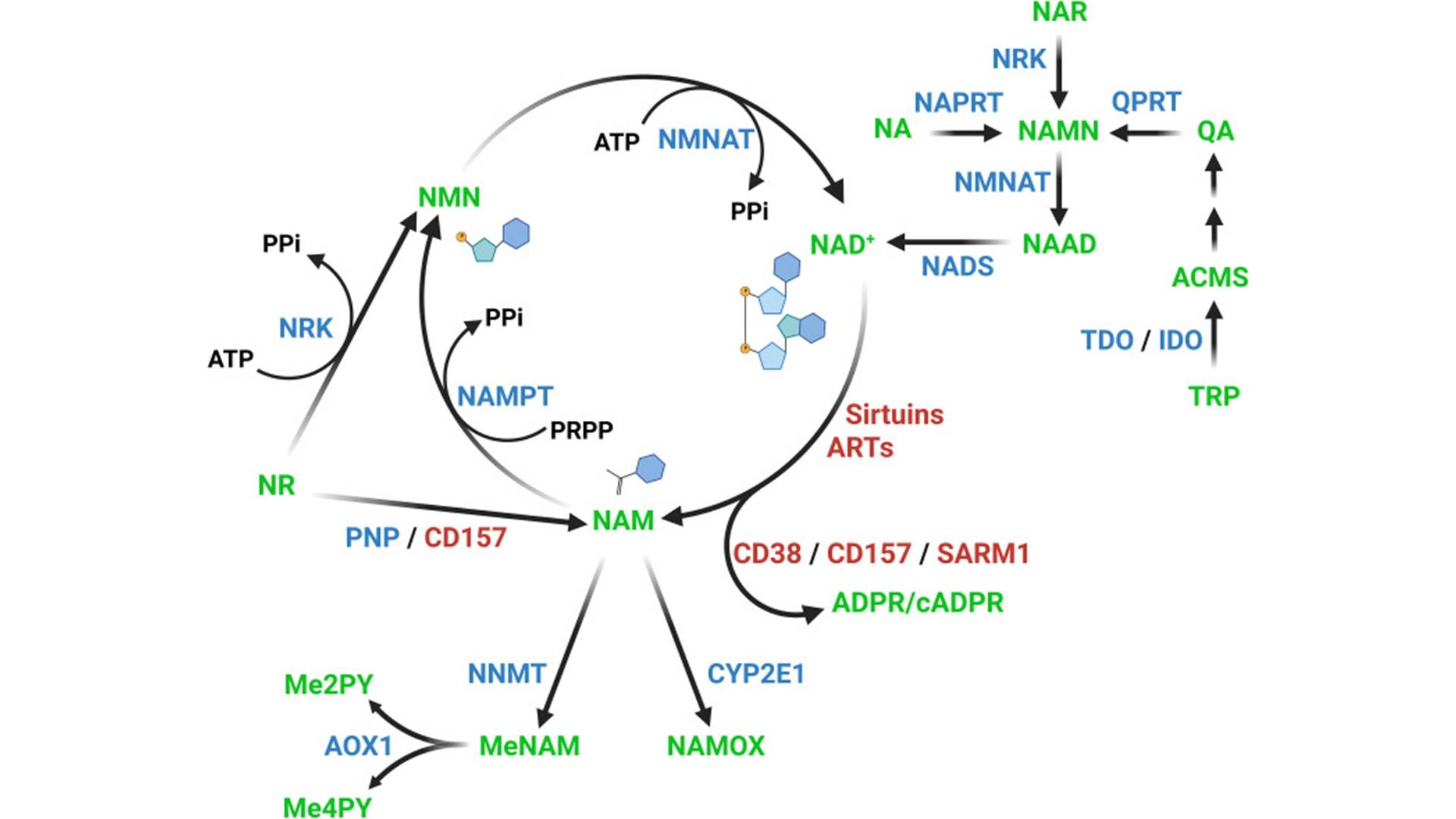
The NAD+ metabolic network comprises three main pathways:
1.The Preiss-Handler pathway converts nicotinic acid (NA) to NAD+ via nicotinic acid mononucleotide (NAMN) and nicotinic acid adenine dinucleotide (NAAD).
2.The denovo pathway: a multi-step process that begins with tryptophan and merges with the Preiss-Handler pathway at the NAMN level.
3.The salvage pathway involves using nicotinamide (NAM) and nicotinamide riboside (NR) as precursors, which are converted into NMN by the key enzyme NAMPT and ultimately generate NAD+. This is the most important NAD+ synthesis pathway in the human body.
NR's unique advantages: Why choose it?
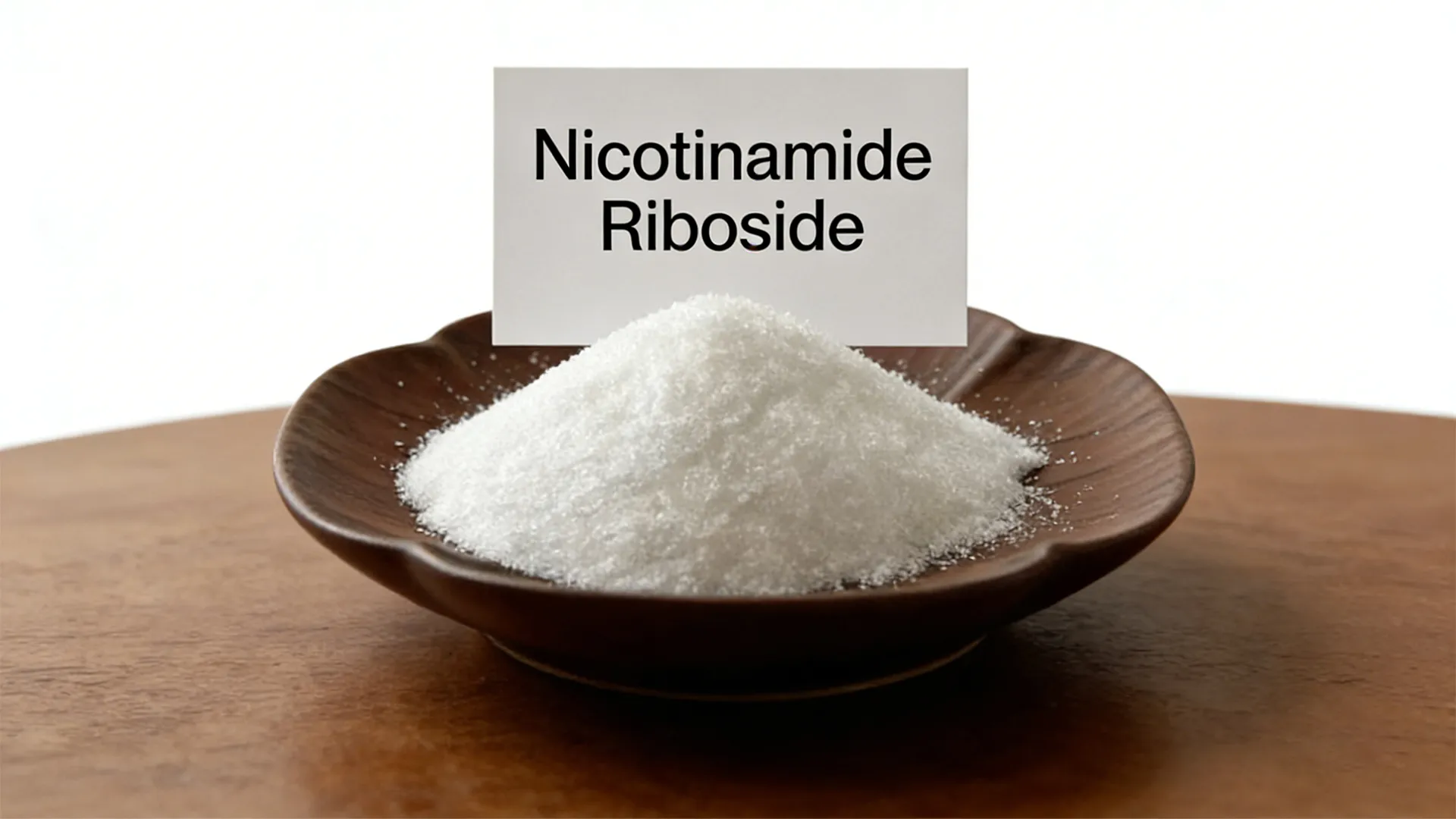
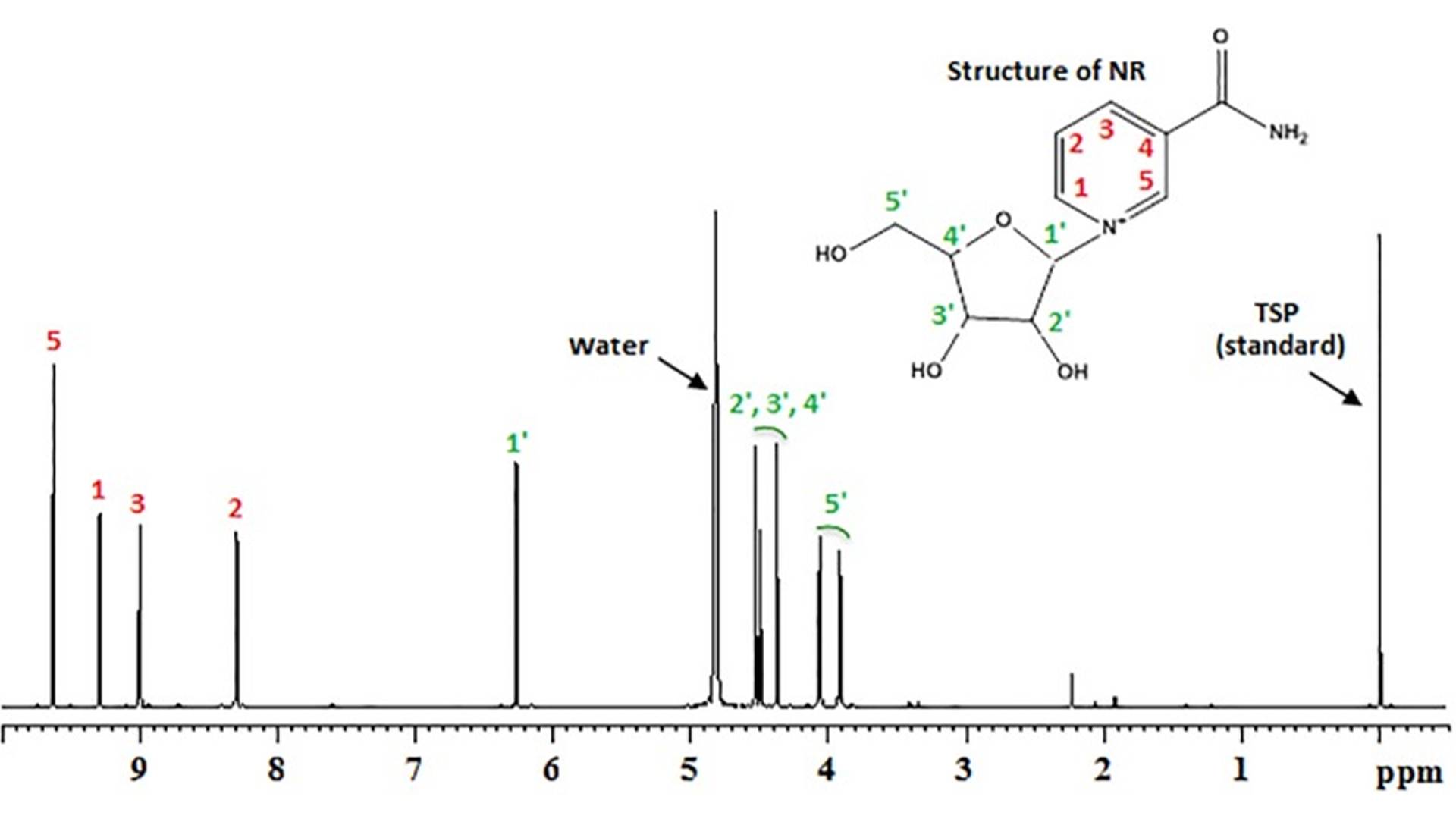
Nicotinamide riboside (NR) is a vitamin B3 derivative composed of nicotinamide (NAM) and ribose. Compared to the traditional form of vitamin B3, NR has the following significant advantages:
Enhanced safety: Avoids the flushing reaction associated with niacin and the liver toxicity risks associated with niacinamide.
Efficient conversion pathway: NR is directly phosphorylated to NMN via NR kinases (NRK1/NRK2), bypassing the rate-limiting step of NAMPT (the bottleneck of traditional salvage pathways).
Superior pharmacokinetic properties: can effectively increase NAD+ levels.
Mechanism of action of NR: from absorption to metabolism
The metabolic process of NR in the body is very sophisticated:
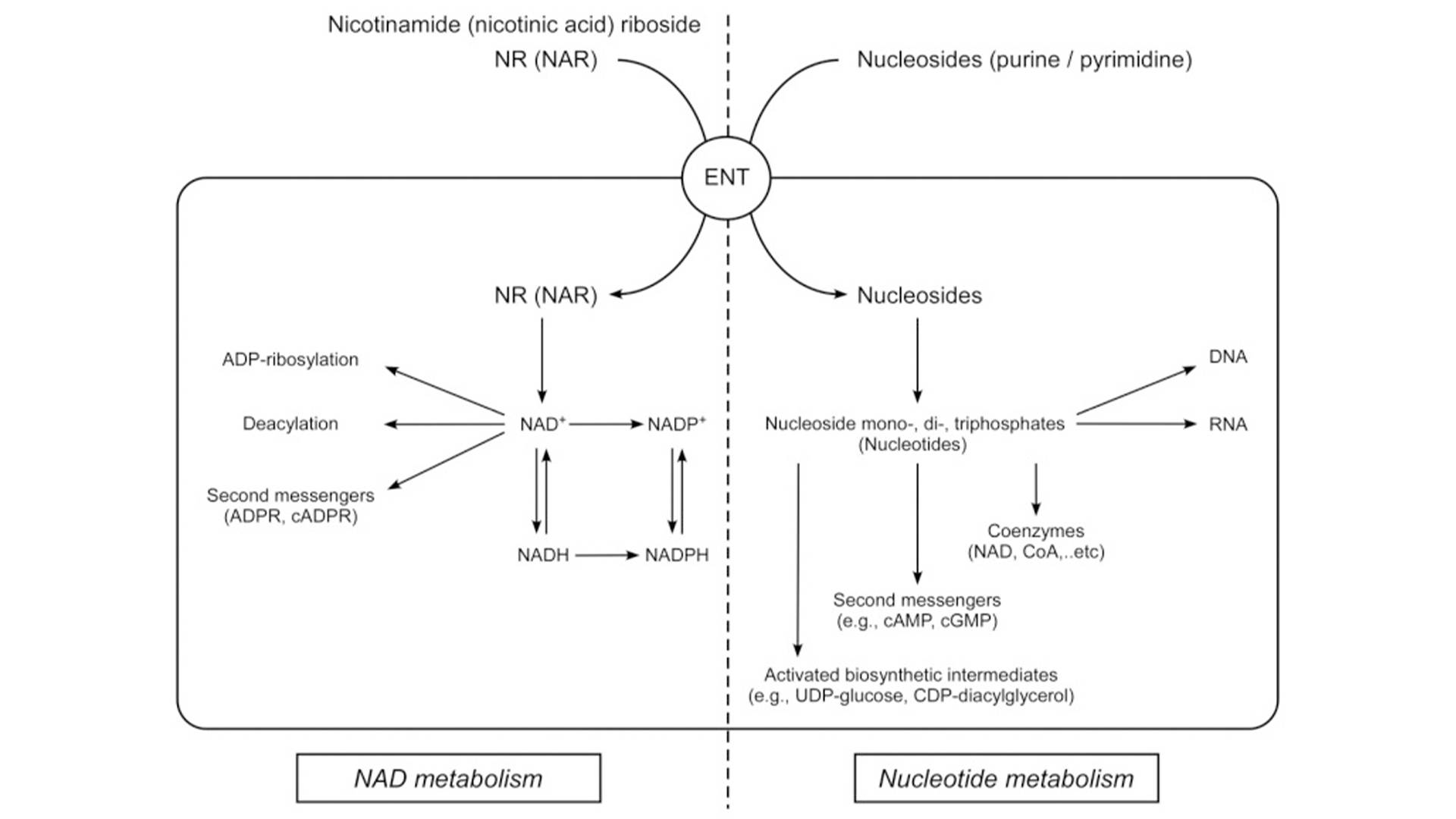
Absorption phase: mainly mediated by the balanced nucleoside transporter family in the small intestine.
Metabolic phase: After entering the cell, NR can be phosphorylated by NR kinases (NRK1 and NRK2) to become NMN, or deribosylated by purine nucleoside phosphorylase to become NAM, and then synthesized into NAD through the salvage pathway.
Clinical Research Overview: Evaluation of NR's Efficacy in Clinical Practice
(1) Nervous system protection
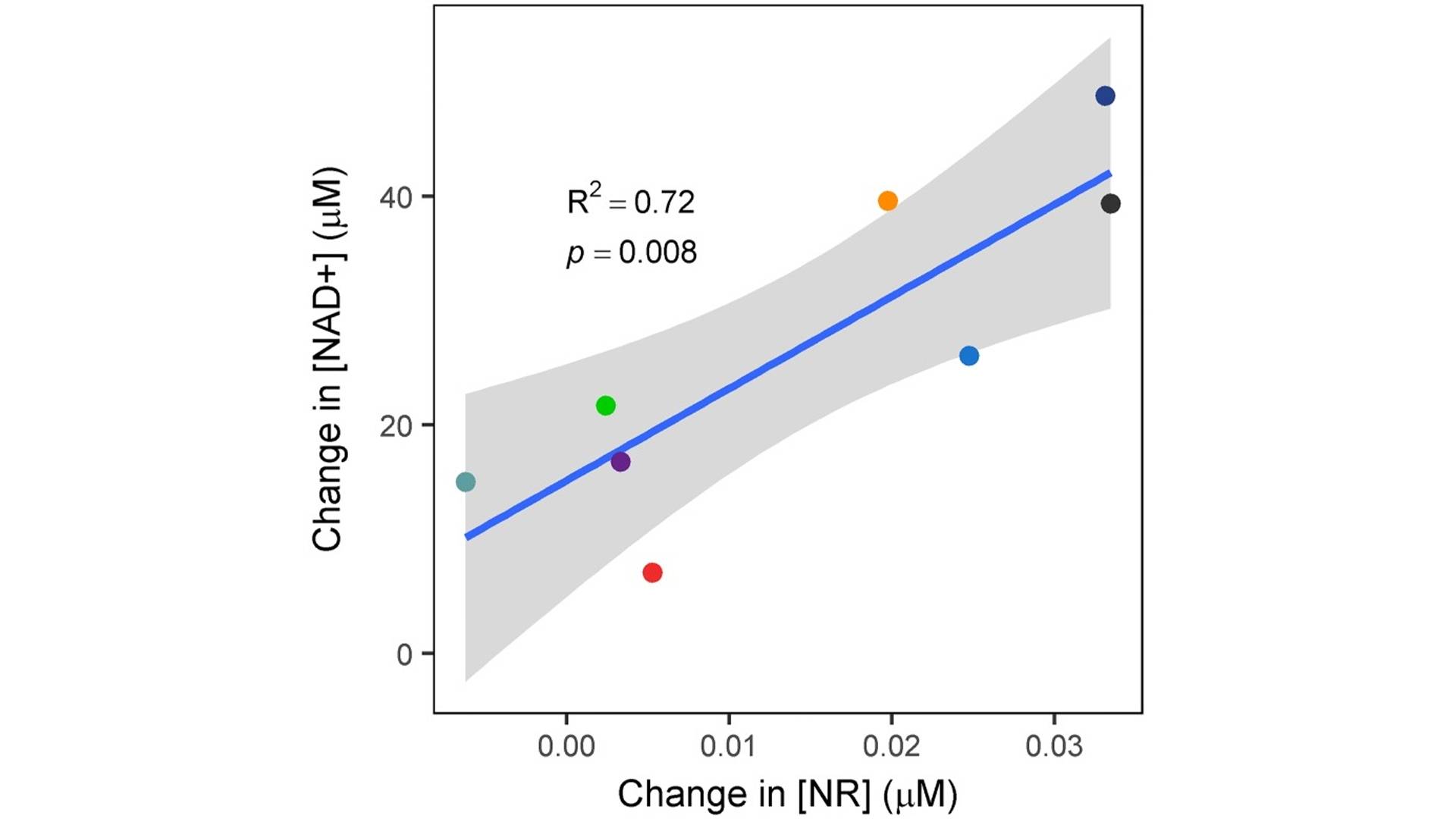
The effects of NR on energy metabolism and neuroprotection were highlighted in the first studies on this compound. In yeast and mammals, NR is metabolized primarily through two pathways: (i) degradation, producing NAM; and (ii) the synthesis of NR kinases (NRK1, NRK2), leading to an increase in tissue NAD+. This increase has been reported to enhance insulin sensitivity, microtubule biosynthesis, and SIRT function.
A randomized, double-blind, placebo (PLA) controlled trial enrolled 125 patients with primary open-angle glaucoma (POAG) and showed that NR (300 mg, 24 months) slowed optic nerve degeneration. Compared with the PLA group, the NR group showed a lower degree of progression of retinal nerve fiber layer (RNFL) thinning and visual field (VF) loss.
(2) Cardiovascular system protection
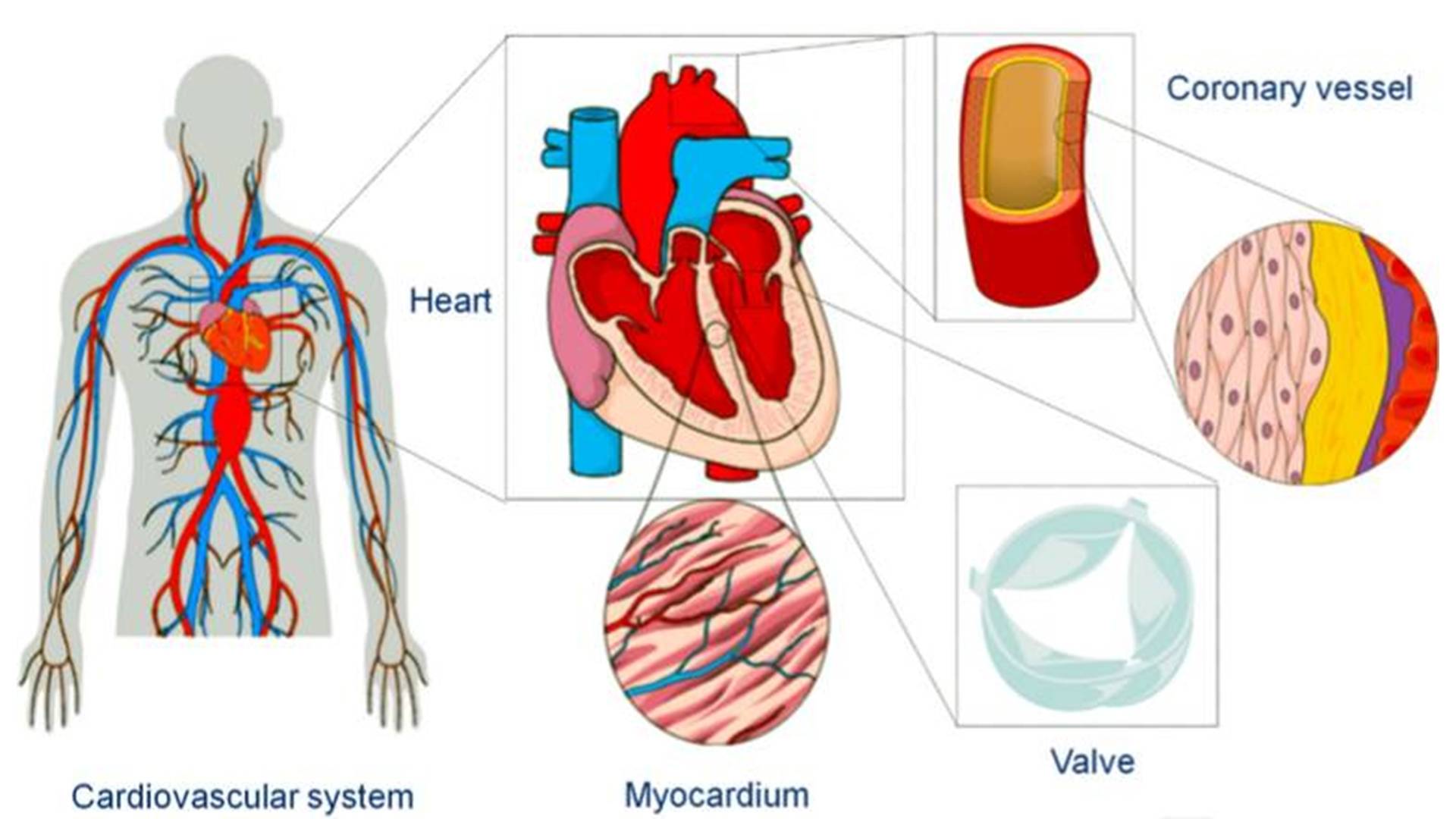
Dietary supplementation with NAD+ precursors (such as NR) appears to have beneficial effects on many areas of cardiovascular disease (CVD). The goal is to improve overall cardiometabolic health by enhancing OXPHOS capacity and mitophagy, eliminating mitochondrial DNA (mtDNA) mutations, and exert cardioprotective effects in ischemia-reperfusion (I-R) injury, arrhythmias, heart failure (HF), myocardial infarction (MI), and hypertension.
A study has shown that in a high-calorie diet (CAF)-induced obesity (DIO) rat model, oral administration of 400 mg/kg NR combined with calorie restriction (-62% kcal) for 28 days produced multiple beneficial effects in male Wistar obese rats. Specifically, it significantly reduced cardiac hypertrophy, significantly improved insulin resistance, and enhanced antioxidant capacity, effectively alleviating cardiac oxidative stress (OXS).
(3) Improvement of the musculoskeletal system
Numerous preclinical studies have shown that NR and NMN dietary supplements can increase NAD+ levels in skeletal muscle and help protect the musculoskeletal system from age-related metabolic dysfunction.
Future Prospects and Applications
With the increasing aging of the population, finding safe and effective anti-aging interventions has become particularly important. NR, as a nutritional supplement that can increase NAD+ levels, shows broad application prospects, mainly in the following aspects:
Anti-aging intervention: By maintaining NAD+ levels, NR may delay the onset and progression of various age-related diseases.
Metabolic disease management: The potential therapeutic role of NR in metabolic diseases such as obesity, diabetes and non-alcoholic fatty liver disease deserves further exploration.
Neurodegenerative diseases: The prevention and treatment of neurodegenerative diseases such as Alzheimer's disease and Parkinson's disease may be an important application area of NR.
Cardiovascular protection: The role of NR in primary and secondary prevention of cardiovascular diseases needs to be verified by more clinical studies.
From molecular mechanisms to clinical applications, NR has demonstrated its potential to improve various age-related diseases. With the deepening of scientific research on NR and the gradual optimization of regulatory barriers, global demand for highly stable and high-purity NR raw materials will continue to grow. Xi’an Jenifer Technology Co., Ltd. will further strengthen its technological research and development, expand its global supply chain layout, and deepen cooperation with partners in various regions, striving to become a core global supplier of NR raw materials and jointly promote the high-quality development of the global NAD+ precursor and cell health industry.